
 EN
EN

How Can You Choose a Motorcycle Mask for Maximum Comfort?
Choosing the right motorcycle mask is one of the most practical decisions a rider can make. Whether you are commuting through city traffic, touring long distances, or riding in variable weather conditions, the mask you wear directly affects how comfortable and focused you remain throughout the journey. A poorly chosen motorcycle mask can cause overheating, skin irritation, restricted breathing, or fogging inside your helmet — all of which reduce your riding performance and enjoyment.
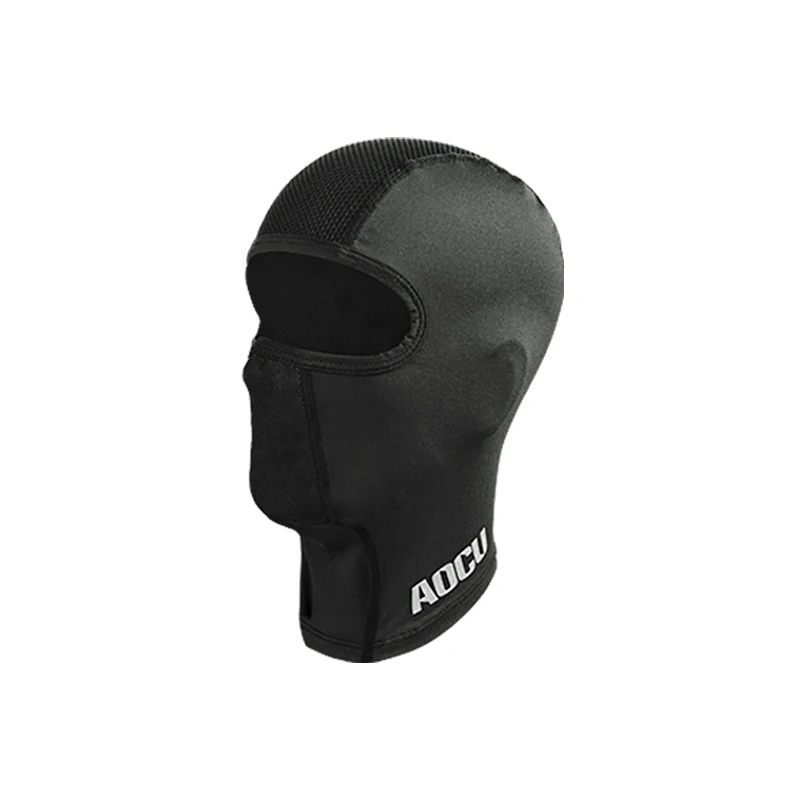
The market offers a wide range of motorcycle mask options, from lightweight breathable balaclavas to full-face thermal covers, and understanding what separates a comfortable mask from an uncomfortable one requires looking at several key factors. This guide walks you through the most important selection criteria so you can make a confident, informed choice that genuinely serves your riding needs across different conditions and distances.
Understanding What Makes a Motorcycle Mask Comfortable
The Role of Fabric in Comfort and Performance
The fabric of a motorcycle mask is the single most influential factor in determining how comfortable it feels during extended wear. Riders who spend hours on the road need a material that manages moisture effectively, allows airflow, and does not cause friction or irritation against the skin. Polyester-based fabrics are widely used in quality motorcycle mask designs because they offer a strong combination of breathability, fast-drying properties, and durability.
A fast-drying motorcycle mask is particularly valuable because sweat accumulation inside a helmet creates discomfort and can distract the rider. When the fabric wicks moisture away from the skin and dries quickly, the rider stays cooler and more focused. Look for a motorcycle mask that explicitly mentions moisture-wicking or fast-drying technology, as these features make a measurable difference on longer rides or in warmer climates.
Fabric weight also matters. A lightweight motorcycle mask is generally more comfortable in warm weather, while a slightly heavier or fleece-lined option suits cold-weather riding better. Matching the fabric weight to your typical riding conditions is a straightforward way to improve comfort without overcomplicating the selection process.
Fit and Coverage as Comfort Foundations
A motorcycle mask that fits poorly will shift around inside the helmet, bunch up around the nose, or leave gaps that allow cold air or dust to enter. Proper fit means the mask sits snugly against the face without compressing the skin uncomfortably or restricting jaw movement. Full-face coverage designs, such as a balaclava-style motorcycle mask, are particularly effective because they eliminate the gaps that partial masks leave around the neck and chin.
When evaluating fit, consider how the motorcycle mask interacts with your helmet. A mask that is too thick may create pressure points or prevent the helmet from sitting correctly on your head. Slim-profile designs made from stretchy, form-fitting fabrics tend to work best under helmets because they conform to the face without adding bulk.
Neck coverage is another comfort consideration that riders often overlook. A motorcycle mask that extends down to cover the neck and upper chest area protects against wind chill and prevents cold air from entering through the collar of your jacket. This full coverage approach significantly improves thermal comfort during cooler rides without requiring additional layers.
Key Selection Criteria for Different Riding Conditions
Warm Weather and High-Activity Riding
In warm weather, the primary comfort challenge is heat management. A motorcycle mask designed for warm conditions should prioritize breathability above all else. Open-weave or mesh-panel designs allow air to circulate freely, preventing the buildup of heat and humidity inside the helmet. A plain black motorcycle mask made from breathable polyester is a practical and versatile choice for warm-weather riders because it absorbs minimal heat while maintaining adequate airflow.
Riders who engage in high-activity riding, such as off-road or adventure touring, generate more body heat and sweat more heavily. For these riders, a motorcycle mask with active moisture management is essential. The mask should pull sweat away from the face quickly and dry fast enough to prevent the clammy, uncomfortable feeling that builds up during intense riding sessions.
Lightweight construction also reduces the sensation of wearing a motorcycle mask in hot conditions. When the mask is barely perceptible on the face, riders are less likely to remove it prematurely, which means they maintain the protection and comfort benefits throughout the ride.
Cold Weather and Wind Protection
Cold-weather riding places very different demands on a motorcycle mask. The priority shifts from breathability to insulation and wind resistance. A full-face motorcycle mask that covers the chin, cheeks, and neck creates a thermal barrier that retains body heat and blocks cold wind from reaching the skin. This is especially important at highway speeds, where wind chill can make temperatures feel significantly colder than the ambient air temperature.
For cold conditions, look for a motorcycle mask with a denser fabric construction or a brushed inner surface that traps warm air close to the skin. The mask should still allow adequate airflow for breathing without causing condensation to build up inside the helmet visor. Some riders find that a motorcycle mask with a structured nose and mouth area helps direct exhaled breath downward, reducing visor fogging.
Layering compatibility is also worth considering. A slim-profile motorcycle mask worn under a thermal balaclava or neck gaiter gives riders the flexibility to adjust their insulation level as temperatures change throughout a ride. Choosing a motorcycle mask that works well as a base layer expands its usefulness across a wider range of conditions.
Evaluating Construction Quality for Long-Term Comfort
Seam Placement and Skin Contact
The internal construction of a motorcycle mask has a direct impact on comfort during extended wear. Flat seams or seamless construction are strongly preferable to raised seams, which can create pressure points and irritation when pressed against the face by a helmet. A motorcycle mask with poorly placed seams across the nose bridge or forehead will become noticeably uncomfortable after the first hour of riding.
Seamless knit construction, where the motorcycle mask is formed as a single continuous piece of fabric, eliminates this problem entirely. These designs conform smoothly to the contours of the face without any hard edges or ridges. If seamless construction is not available, look for a motorcycle mask where seams are positioned along the sides of the face rather than across high-pressure contact zones.
Edge finishing also matters. A motorcycle mask with raw or poorly finished edges may fray over time and cause irritation around the face opening. Well-finished edges with a clean hem or ribbed border maintain their shape through repeated washing and use, which contributes to consistent comfort over the life of the product.
Elasticity and Shape Retention
A motorcycle mask that loses its shape after a few washes quickly becomes uncomfortable because it no longer fits correctly. Fabrics with good elasticity and shape retention maintain their form-fitting properties through regular use and laundering. Polyester blends with a small percentage of elastane or spandex are particularly effective at maintaining stretch and recovery, ensuring the motorcycle mask continues to fit snugly without sagging or bunching.
Shape retention also affects how the motorcycle mask performs inside the helmet. A mask that stretches out of shape may bunch up around the nose or slip down during the ride, requiring the rider to stop and readjust. A well-constructed motorcycle mask with good elasticity stays in position throughout the ride, allowing the rider to focus entirely on the road.
When assessing construction quality, it is worth checking the stitching density and thread quality. Tightly stitched seams with durable thread resist the mechanical stress of repeated stretching and helmet removal, which extends the usable life of the motorcycle mask and maintains its comfort properties over time.
Practical Considerations Before Making Your Final Choice
Compatibility with Your Helmet Type
Not every motorcycle mask works equally well with every helmet type. Full-face helmets have limited interior space, so a bulky or thick motorcycle mask may create pressure points or prevent the helmet from fitting correctly. For full-face helmet users, a slim, form-fitting motorcycle mask made from lightweight fabric is the most practical choice. It provides coverage and comfort without compromising helmet fit or safety.
Open-face and modular helmet users have more flexibility in terms of motorcycle mask thickness, but they also face greater exposure to wind and debris. For these riders, a motorcycle mask with a higher neck and more substantial face coverage offers better protection. The mask should be easy to put on and remove without disturbing the helmet, which makes stretchy, pull-on designs more practical than those with closures or adjustable straps.
Half-helmet and cruiser riders often prioritize style alongside function, and a clean, plain motorcycle mask in a neutral color like black integrates easily with a wide range of riding gear. The key is ensuring the mask provides adequate coverage for the conditions you ride in, regardless of the helmet style you prefer.
Maintenance and Hygiene for Ongoing Comfort
A motorcycle mask that is difficult to clean will quickly become unhygienic and uncomfortable. Sweat, skin oils, and road dust accumulate in the fabric over time, and a mask that cannot be washed easily will develop odors and lose its softness. Machine-washable motorcycle mask designs are the most practical choice for regular riders because they can be cleaned frequently without special care requirements.
Fast-drying fabrics are particularly convenient from a maintenance perspective. A motorcycle mask that dries quickly after washing can be ready to use again within hours, which is important for riders who use their mask daily. Having two or three motorcycle mask options in rotation also ensures you always have a clean, fresh mask available regardless of your riding schedule.
Proper storage also contributes to the longevity and comfort of a motorcycle mask. Storing the mask flat or loosely folded in a clean, dry location prevents the fabric from developing permanent creases or losing its shape. Avoid storing a damp motorcycle mask in a sealed bag, as this can encourage the growth of bacteria and mold, which degrades both the fabric and the comfort of the mask.
FAQ
What type of motorcycle mask is best for long-distance riding?
For long-distance riding, a full-face balaclava-style motorcycle mask made from lightweight, breathable polyester is generally the best choice. It provides complete coverage to reduce fatigue from wind exposure, manages moisture effectively to prevent discomfort during extended wear, and fits smoothly under a helmet without creating pressure points. Fast-drying properties are especially valuable on multi-day tours where washing and quick turnaround are important.
Can a motorcycle mask be worn in both warm and cold weather?
A lightweight, breathable motorcycle mask made from polyester can be worn comfortably in a range of temperatures, though it performs best in mild to warm conditions. For cold weather, a thicker or fleece-lined motorcycle mask provides better insulation. Many riders keep two versions — a lightweight motorcycle mask for summer and a thermal one for winter — to ensure optimal comfort across all seasons.
How do I know if a motorcycle mask fits correctly under my helmet?
A correctly fitting motorcycle mask should sit snugly against the face without bunching, shifting, or creating pressure points when the helmet is on. The face opening should align naturally with your eyes, nose, and mouth without pulling or distorting. If you notice the helmet feels tighter than usual or there are uncomfortable pressure points after putting it on over the motorcycle mask, the mask may be too thick or too large for your helmet interior.
How often should I wash my motorcycle mask?
For regular riders, washing a motorcycle mask after every two to three uses is a reasonable guideline. If you ride in hot weather or engage in high-intensity riding, washing after each use is preferable to prevent odor and bacteria buildup. Most quality motorcycle mask designs made from polyester are machine washable and dry quickly, making frequent washing practical and straightforward.