
 EN
EN

How Do You Choose the Right Cell Phone Holder Motorcycle for Your Riding
Modern motorcyclists rely heavily on their smartphones for navigation, communication, and entertainment during rides. A reliable cell phone holder motorcycle becomes an essential accessory that ensures safe and convenient access to your device while maintaining focus on the road. With countless options available in the market, selecting the right mounting solution requires careful consideration of multiple factors including compatibility, durability, and safety features.
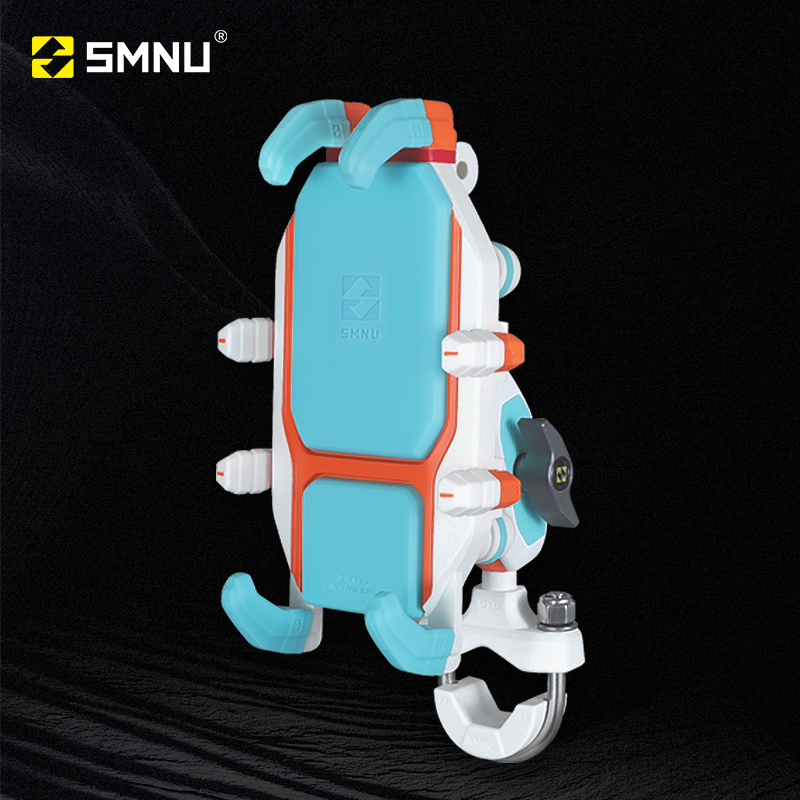
The choice of a cell phone holder motorcycle directly impacts your riding experience and safety. An inadequately secured holder can lead to device damage, distraction, or even accidents. Professional riders and commuters alike understand that investing in a quality mounting system provides peace of mind and enhances overall ride functionality. The market offers various designs ranging from basic clips to sophisticated wireless charging mounts, each catering to specific riding styles and preferences.
Understanding Motorcycle Phone Holder Types
Handlebar Mounting Systems
Handlebar-mounted systems represent the most popular category of cell phone holder motorcycle accessories. These mounts attach directly to your motorcycle's handlebars using clamps, brackets, or quick-release mechanisms. The positioning allows for easy visibility and access while maintaining natural hand placement for controls. Quality handlebar mounts feature adjustable arms and rotating joints that accommodate various phone sizes and viewing angles.
The installation process for handlebar mounts typically requires minimal tools and can be completed within minutes. Most designs incorporate rubber padding or protective materials to prevent scratching of the handlebar surface. Advanced handlebar systems include features like shock absorption, waterproof covers, and integrated charging capabilities that enhance functionality during extended rides.
Tank and Console Mounting Options
Tank-mounted phone holders provide alternative placement for riders who prefer lower positioning or have limited handlebar space. These systems utilize magnetic bases, suction cups, or adhesive mounts to secure the holder to the motorcycle's tank or fairing. The lower position reduces wind resistance and offers better protection from weather elements while maintaining accessibility.
Console mounting represents another viable option for touring motorcycles equipped with dashboard areas. These installations often integrate seamlessly with existing instrumentation and provide a professional appearance. The protected positioning shields the device from direct wind exposure and reduces the risk of weather-related damage during rides.
Essential Features for Optimal Performance
Security and Stability Mechanisms
A dependable cell phone holder motorcycle must incorporate robust security features that prevent device loss during rides. Multi-point clamping systems distribute holding force across multiple contact areas, reducing stress on individual mounting points. Spring-loaded mechanisms automatically adjust to accommodate different phone sizes while maintaining consistent pressure throughout the journey.
Vibration dampening technology plays a crucial role in protecting both the device and mounting hardware from motorcycle-induced stress. Quality holders incorporate rubber isolators, shock-absorbing joints, or dampening materials that minimize transmission of engine vibrations to the mounted phone. This protection extends device lifespan and ensures stable viewing during operation.
Weather Protection and Durability
Outdoor riding conditions demand a cell phone holder motorcycle with comprehensive weather resistance. Waterproof enclosures protect devices from rain, snow, and humidity while maintaining touchscreen functionality. Quality weather protection systems feature sealed seams, drainage channels, and transparent covers that preserve screen visibility and touch sensitivity.
Material selection significantly impacts holder longevity and performance under various conditions. Marine-grade metals, UV-resistant plastics, and corrosion-proof coatings ensure reliable operation across different climates and seasons. Manufacturers often specify operating temperature ranges and protection ratings that help riders select appropriate systems for their local conditions.
Compatibility Considerations for Device Integration
Phone Size and Model Adaptability
Modern smartphones vary significantly in dimensions, creating challenges for universal cell phone holder motorcycle compatibility. Adjustable cradle systems accommodate devices ranging from compact models to large phablets while maintaining secure retention. Some holders feature removable spacers or adjustable arms that customize fit for specific device dimensions.
Case compatibility represents another critical consideration since many users protect their phones with covers or cases. Quality mounting systems account for case thickness and provide sufficient clearance while maintaining secure grip. Some manufacturers offer specific adapters or sizing guides that help users determine compatibility with popular case brands and styles.
Charging and Connectivity Features
Integrated charging capabilities transform a basic cell phone holder motorcycle into a comprehensive device management system. Wireless charging mounts eliminate cable connections while providing continuous power during rides. Wired charging systems require weatherproof connectors and cable management solutions that prevent interference with riding controls.
Advanced connectivity features include USB ports, 12-volt adapters, and integrated cable routing that support various device types. Some systems incorporate multiple charging protocols and automatic device detection that optimizes power delivery for different phone models. These features prove especially valuable for long-distance touring where device battery life becomes critical.
Installation and Mounting Best Practices
Proper Positioning for Safety and Functionality
Strategic placement of your cell phone holder motorcycle ensures optimal visibility without compromising riding safety. The device should be positioned within natural sight lines that require minimal head movement to view. Mounting height and angle must accommodate different riding positions while preventing interference with mirror visibility or control operation.
Distance from the rider plays a crucial role in touchscreen accessibility and readability during operation. The optimal position allows for easy one-handed operation while maintaining secure grip on handlebars. Professional installers recommend testing various positions before final mounting to ensure comfort and functionality across different riding scenarios.
Secure Installation Techniques
Proper installation of a cell phone holder motorcycle begins with thorough preparation of mounting surfaces. Clean installation areas remove debris, oil, and contaminants that could compromise adhesion or clamping effectiveness. Thread locker compounds and proper torque specifications ensure mounting hardware remains secure under vibration and stress conditions.
Regular maintenance checks verify mounting integrity and identify potential issues before they result in device loss. Inspection schedules should include verification of clamp tightness, wear assessment of moving parts, and functionality testing of adjustable components. These preventive measures ensure reliable performance throughout the holder's service life.
Performance Evaluation and Selection Criteria
Testing Standards and Quality Metrics
Professional evaluation of cell phone holder motorcycle performance involves standardized testing procedures that assess vibration resistance, retention force, and durability characteristics. Industry standards specify test conditions that simulate real-world riding scenarios including acceleration forces, temperature cycling, and impact resistance. Understanding these metrics helps riders make informed decisions based on objective performance data.
Quality certification programs validate manufacturer claims and provide third-party verification of performance standards. Recognized certifications include IP ratings for weather protection, shock resistance specifications, and electromagnetic compatibility standards. These certifications offer confidence in product reliability and performance consistency across different operating conditions.
User Experience and Practical Considerations
Real-world performance evaluation requires consideration of user feedback and practical application scenarios. Long-term reliability, ease of use, and maintenance requirements significantly impact overall satisfaction with a cell phone holder motorcycle system. User reviews often highlight practical issues not apparent in technical specifications including operation with gloves, visibility in various lighting conditions, and compatibility with different riding gear.
Cost-benefit analysis encompasses initial purchase price, installation requirements, and long-term value proposition. Premium systems often justify higher costs through enhanced features, superior materials, and extended warranty coverage. Budget considerations should account for potential device replacement costs associated with inferior mounting systems that may fail during critical situations.
Advanced Features and Technology Integration
Smart Connectivity and App Integration
Modern cell phone holder motorcycle systems increasingly incorporate smart technology that enhances functionality beyond basic mounting. Bluetooth connectivity enables remote control operation, automatic device recognition, and integration with motorcycle systems. Some advanced holders include built-in speakers, microphones, and voice command capabilities that support hands-free communication and navigation.
Application-specific features cater to different riding activities including touring, sport riding, and daily commuting. GPS integration provides turn-by-turn navigation with visual and audio cues while ride tracking applications monitor performance metrics. These integrated solutions transform the phone holder into a comprehensive riding information center.
Future-Proofing and Upgrade Compatibility
Investment in a quality cell phone holder motorcycle system should consider future device compatibility and technology evolution. Modular designs allow component upgrades without complete system replacement while standardized mounting interfaces ensure compatibility with future accessories. Forward-thinking manufacturers provide upgrade paths and component availability that extend system useful life.
Emerging technologies including 5G connectivity, augmented reality navigation, and advanced sensor integration will influence future holder requirements. Systems designed with expandability and upgrade capability provide better long-term value and adaptability to evolving technology standards.
FAQ
What is the most secure mounting method for a cell phone holder motorcycle?
The most secure mounting method typically involves multi-point clamping systems with vibration dampening and redundant retention mechanisms. Handlebar clamps with rubber padding and spring-loaded arms provide excellent stability while magnetic systems offer convenience with proper base preparation. Quality installations include backup retention features such as safety straps or secondary locking mechanisms.
How do I ensure my phone holder works with different weather conditions?
Weather protection requires selecting a cell phone holder motorcycle with appropriate IP ratings for water and dust resistance. Look for sealed enclosures, drainage systems, and UV-resistant materials that maintain functionality across temperature ranges. Waterproof covers should preserve touchscreen sensitivity while protecting against rain and humidity.
Can I use a motorcycle phone holder with a thick protective case?
Many modern cell phone holder motorcycle systems accommodate thick cases through adjustable cradles and removable spacers. Check manufacturer specifications for maximum case thickness and compatible case styles. Some holders offer case-specific adapters while others feature universal adjustment mechanisms that work with various protection levels.
What maintenance is required for motorcycle phone holders?
Regular maintenance includes checking mounting hardware tightness, cleaning contact surfaces, and inspecting moving parts for wear. Lubricate adjustment mechanisms according to manufacturer recommendations and verify waterproof seal integrity. Periodic function testing ensures reliable operation while preventive maintenance extends system lifespan and prevents device loss during rides.