
 EN
EN

How Does a Riding Mask Protect Against Dust and Harsh Weather?
Modern motorcyclists and outdoor enthusiasts face numerous environmental challenges while pursuing their passion for riding. From swirling dust clouds on backcountry trails to biting winter winds on highway commutes, protective gear becomes essential for both safety and comfort. A high-quality riding mask serves as the frontline defense against these harsh conditions, offering comprehensive protection that extends far beyond basic face coverage. Understanding how these specialized masks function and their protective mechanisms helps riders make informed decisions about their safety equipment.
Understanding Dust Protection Mechanisms
Filtration Technology in Modern Masks
The primary defense mechanism of a riding mask against dust particles relies on advanced filtration systems integrated into the fabric construction. These masks utilize multi-layer designs that create progressively finer barriers to trap particles of various sizes. The outer layer typically features a coarse weave that captures larger debris, while inner layers employ tighter mesh patterns to filter microscopic dust particles that could otherwise penetrate respiratory pathways.
Premium riding mask designs incorporate electrostatic properties that actively attract and hold dust particles, significantly improving filtration efficiency beyond mechanical blocking alone. This technology proves particularly effective against fine particulates common in desert riding or construction zone environments. The filtration effectiveness of a quality riding mask can reduce dust inhalation by up to ninety percent compared to riding without protection.
Sealing and Coverage Strategies
Effective dust protection requires complete facial coverage and proper sealing around vulnerable areas. A well-designed riding mask extends coverage from the bridge of the nose down to the neck area, creating a continuous barrier against airborne particles. The mask's perimeter features elastic or adjustable components that form tight seals around the face without compromising comfort or circulation.
Strategic placement of seam construction ensures that dust cannot penetrate through fabric joints or connection points. Many professional-grade masks incorporate overlapping design elements that create redundant barriers at critical junctions. This comprehensive sealing approach prevents dust infiltration even during high-speed riding or extreme weather conditions where particle concentration reaches dangerous levels.
Weather Resistance and Thermal Protection
Wind Barrier Properties
Cold weather riding presents unique challenges that a specialized riding mask addresses through advanced wind-resistant construction. The mask's outer shell features tightly woven synthetic materials that block penetrating wind while maintaining breathability for comfortable extended wear. This wind barrier effect significantly reduces the cooling impact of moving air, helping maintain facial temperature in challenging conditions.
Strategic design elements like extended neck coverage and reinforced cheek areas provide additional wind protection for exposed facial regions. The mask's aerodynamic profile minimizes wind turbulence around the face, reducing fatigue and improving overall riding comfort. These wind-resistant properties prove especially valuable during long-distance touring or high-altitude riding where temperature drops and wind exposure intensify.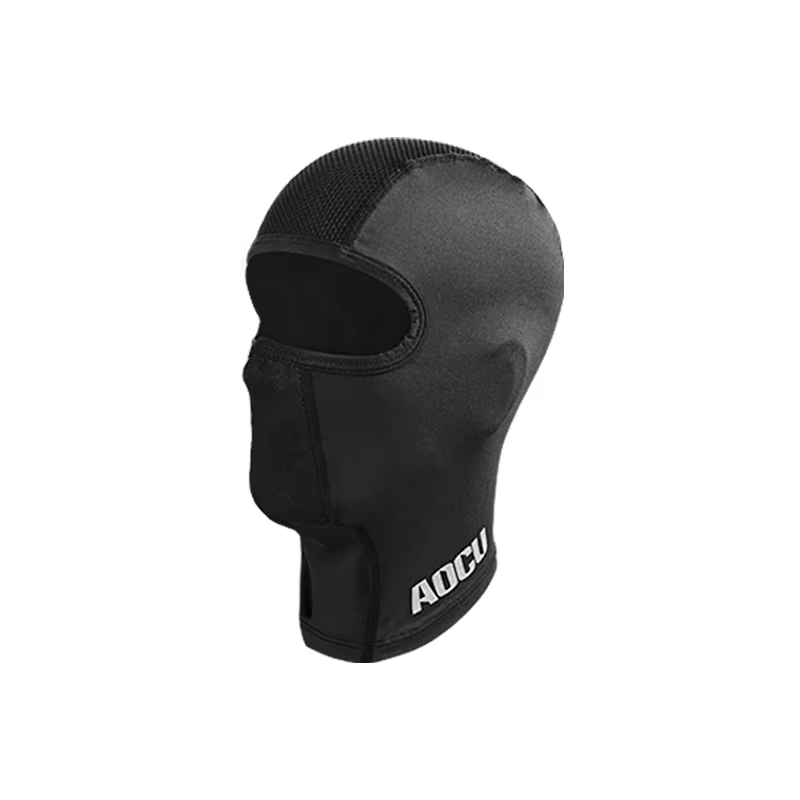
Moisture Management Systems
Effective weather protection requires sophisticated moisture management to prevent condensation buildup and maintain comfort during varied conditions. Advanced riding mask designs incorporate moisture-wicking fabrics that draw perspiration away from the skin while allowing vapor transfer through the material. This dual-action approach prevents the accumulation of moisture that could freeze in cold conditions or create discomfort in warm weather.
Breathable membrane technology integrated into premium masks allows air circulation while blocking external moisture from rain or snow. The mask's construction includes ventilation channels that promote airflow without compromising protective coverage. This balance between protection and breathability ensures that riders remain comfortable and protected regardless of weather conditions or activity intensity.
Material Science and Construction Quality
Advanced Fabric Technologies
The effectiveness of any riding mask depends heavily on the advanced materials used in its construction. Modern masks utilize synthetic fiber blends that combine durability, flexibility, and protective properties in a single lightweight package. These materials resist degradation from UV exposure, temperature extremes, and repeated washing cycles while maintaining their protective characteristics over extended use periods.
Specialized coatings and treatments enhance the natural properties of base fabrics, adding features like antimicrobial protection, enhanced dust repulsion, and improved moisture management. The riding mask construction often incorporates different material zones optimized for specific functions, such as reinforced high-wear areas and ultra-soft contact zones for sensitive facial skin.
Durability and Longevity Factors
Professional-grade riding mask construction emphasizes long-term performance under demanding conditions. Reinforced stitching techniques and high-quality thread materials ensure that seams remain intact despite repeated stretching and washing. The mask's structural integrity maintains protective effectiveness even after extensive use in harsh environments.
Quality control measures in manufacturing ensure consistent performance across production runs, with each riding mask meeting stringent standards for fit, filtration, and durability. Premium masks undergo extensive testing protocols that simulate real-world riding conditions to verify their protective capabilities and longevity. This attention to construction quality translates into reliable protection and extended service life for riders who depend on their equipment.
Comfort and Ergonomic Design Features
Anatomical Fit Optimization
The most protective riding mask proves ineffective if riders cannot wear it comfortably for extended periods. Modern mask designs utilize anatomical research to create contours that follow natural facial geometry, distributing pressure evenly and eliminating hot spots that could cause discomfort. The mask's shape accommodates variations in facial structure while maintaining effective sealing and protection.
Adjustable components allow riders to customize fit for optimal comfort and protection. Strategic placement of elastic panels and adjustment mechanisms ensures that the riding mask remains securely positioned without restricting movement or causing pressure points. This personalized fit approach maximizes both protective effectiveness and wearing comfort during long rides.
Ventilation and Breathability Balance
Effective protection must balance barrier properties with adequate ventilation to prevent overheating and moisture accumulation. Advanced riding mask designs incorporate ventilation systems that promote airflow while filtering incoming air through protective media. These systems utilize directional airflow patterns that enhance cooling without compromising dust or weather protection.
Breathable fabric zones in strategic locations allow heat dissipation while maintaining protective coverage where needed most. The riding mask ventilation system adapts to changing conditions, providing increased airflow during high-exertion activities while maintaining protection during exposure to harsh environmental conditions. This dynamic balance ensures optimal comfort across varied riding scenarios.
Practical Applications and Use Cases
Recreational Riding Protection
Weekend warriors and recreational riders benefit significantly from riding mask protection during various outdoor activities. Trail riding through dusty terrain exposes riders to concentrated particle clouds that can cause respiratory irritation and long-term health impacts. A quality riding mask provides essential protection that allows riders to enjoy their activities without concern for environmental hazards.
Seasonal riding conditions present unique challenges that riding mask technology addresses effectively. Spring pollen, summer dust, autumn debris, and winter weather all create specific protection requirements that a versatile riding mask can accommodate. This year-round utility makes protective masks essential equipment for serious recreational riders who pursue their passion regardless of seasonal conditions.
Professional and Commercial Applications
Commercial riders and delivery professionals face daily exposure to urban pollution, construction dust, and variable weather conditions that make protective equipment essential rather than optional. A reliable riding mask provides consistent protection that maintains health and comfort during long working hours. Professional riders often require masks that perform reliably under demanding conditions while remaining comfortable during extended wear periods.
Law enforcement, emergency services, and military personnel utilize riding mask protection during operational activities where environmental hazards present occupational risks. These applications demand the highest levels of protection and reliability, driving innovations in riding mask technology that benefit all users. Professional-grade masks undergo rigorous testing to ensure they meet demanding performance standards required for critical applications.
FAQ
How often should I replace my riding mask
The replacement frequency for a riding mask depends on usage intensity and environmental conditions, but most quality masks should be replaced every six to twelve months with regular use. Signs that indicate replacement needs include visible wear in the fabric, reduced elasticity in adjustment components, persistent odors after washing, or decreased breathability. Riders who frequently encounter extremely dusty or harsh conditions may need to replace their masks more frequently to maintain optimal protection levels.
Can riding masks be washed and maintained at home
Most riding masks are designed for easy home maintenance using standard washing procedures. Machine washing in warm water with mild detergent typically removes accumulated dust and odors while preserving the mask's protective properties. Air drying is recommended to prevent heat damage to synthetic materials and elastic components. Always check manufacturer care instructions, as some specialized coatings or treatments may require specific maintenance procedures to maintain their effectiveness.
What size riding mask should I choose for optimal protection
Proper sizing ensures both comfort and protection effectiveness, making accurate measurement essential for riding mask selection. Measure the circumference of your head at the widest point and the distance from your chin to the top of your head to determine the appropriate size category. A properly fitted riding mask should feel snug without causing pressure points, allow normal breathing, and maintain its position during head movement. When in doubt between sizes, slightly larger masks often provide better comfort while maintaining protection.
Are riding masks suitable for prescription glasses wearers
Many modern riding masks accommodate prescription glasses through design features like extended eye openings and flexible bridge construction that adapts to eyewear frames. Some masks include specific cutouts or adjustable sections that work with various glasses styles without compromising protection or comfort. Riders with prescription glasses should look for masks that specify eyewear compatibility and consider trying different styles to find the best combination of protection, comfort, and visual clarity for their specific needs.