
 EN
EN

What Should You Consider When Choosing a High-Quality Riding Phone Holder Ball Head Screws
Modern motorcycle riders and cyclists increasingly rely on smartphone navigation, communication, and entertainment during their journeys. The foundation of any reliable phone mounting system lies in its core mechanical components, particularly the ball head screw mechanism that enables secure positioning and smooth adjustment. Understanding the critical factors that determine the quality and performance of these essential fasteners can make the difference between a stable, dependable mount and a potentially dangerous equipment failure on the road.
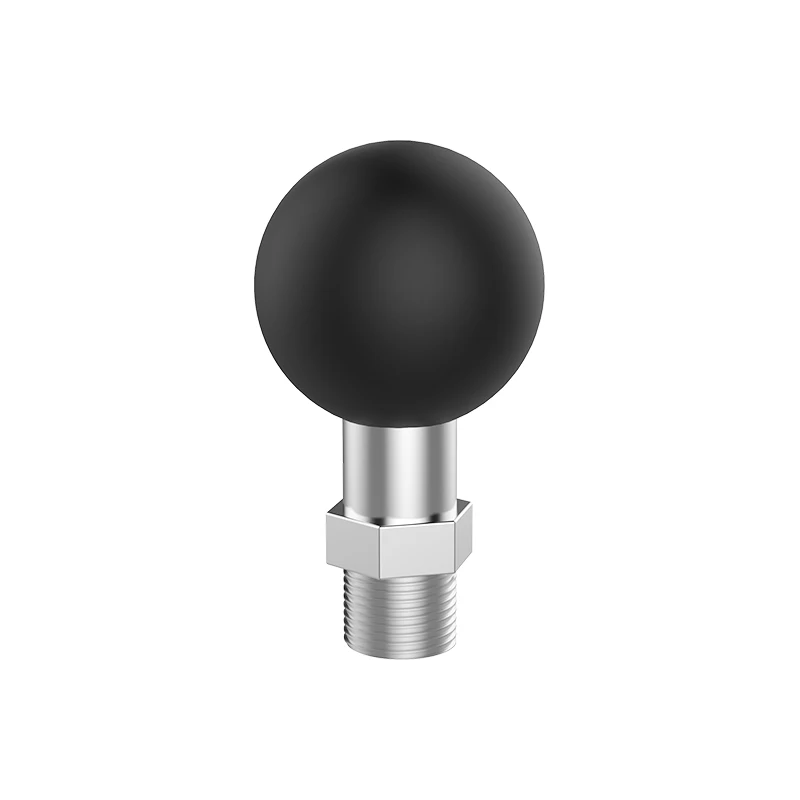
The selection process for motorcycle and bicycle phone holder components involves multiple technical considerations that directly impact rider safety and device protection. High-quality ball head screw assemblies must withstand constant vibration, temperature fluctuations, moisture exposure, and mechanical stress while maintaining precise positioning capabilities. Professional riders and enthusiasts recognize that investing in superior mounting hardware prevents costly device damage and potentially hazardous situations caused by sudden mount failures during critical navigation moments.
Material Composition and Durability Standards
Steel Grade Selection and Treatment Processes
The metallurgical properties of a ball head screw determine its long-term performance under demanding riding conditions. Premium manufacturers utilize high-grade stainless steel or specially treated carbon steel that resists corrosion while maintaining structural integrity. The heat treatment processes applied during manufacturing create optimal hardness levels that prevent thread stripping and bearing surface wear. Quality ball head screw assemblies undergo precise machining operations that ensure consistent tolerances and smooth operation throughout their service life.
Surface treatments such as zinc plating, anodizing, or specialized coatings provide additional protection against environmental factors that commonly affect motorcycle hardware. These protective layers extend component lifespan while maintaining the aesthetic appearance that riders expect from premium accessories. The combination of superior base materials and advanced surface treatments creates ball head screw assemblies capable of withstanding thousands of adjustment cycles without degradation in performance or appearance.
Corrosion Resistance and Environmental Protection
Motorcycle and bicycle environments expose mounting hardware to salt spray, road chemicals, temperature extremes, and moisture that can rapidly degrade inferior components. A high-quality ball head screw incorporates corrosion-resistant materials and protective finishes designed specifically for outdoor recreational equipment applications. Stainless steel grades such as 316 or 304 provide excellent resistance to rust and pitting while maintaining the mechanical properties required for secure phone holder operation.
Advanced coating technologies create barrier layers that prevent moisture and contaminants from reaching the underlying metal substrate. These protective systems ensure that ball head screw mechanisms continue operating smoothly even after extended exposure to challenging weather conditions. Riders who frequently encounter coastal environments, winter road treatments, or industrial pollution particularly benefit from investing in components that prioritize long-term corrosion resistance over initial cost savings.
Precision Engineering and Manufacturing Quality
Machining Tolerances and Surface Finish
The manufacturing precision of a ball head screw directly influences its operational smoothness, adjustment range, and locking reliability. Premium components feature precisely machined spherical surfaces with mirror-like finishes that minimize friction while maximizing contact area for secure positioning. Computer-controlled machining centers ensure consistent dimensional accuracy across production batches, eliminating the variations that plague lower-quality alternatives and cause premature wear or binding issues.
Surface roughness measurements on quality ball head screw assemblies typically fall within microinch tolerances that optimize the balance between smooth adjustment and secure locking capability. These carefully controlled surface characteristics prevent galling, reduce break-away torque requirements, and extend the operational lifespan of both the ball and socket components. Professional-grade phone holder systems rely on this level of manufacturing precision to deliver consistent performance across varying environmental conditions and usage patterns.
Thread Quality and Engagement Specifications
Thread form accuracy and surface finish quality significantly impact the reliability and longevity of ball head screw assemblies used in phone mounting applications. Precision-cut threads with proper pitch diameter control ensure optimal engagement with mating components while preventing cross-threading or premature wear. Quality manufacturers employ thread rolling processes that work-harden the surface while maintaining dimensional accuracy, creating stronger and more durable fastener connections than cheaper cut-thread alternatives.
The thread engagement length and load distribution characteristics affect how well a ball head screw resists loosening under vibration and cyclic loading conditions common in motorcycle applications. Properly designed threads distribute clamping forces evenly across multiple thread engagements, preventing stress concentrations that could lead to fatigue failures. These engineering details distinguish professional-grade mounting hardware from consumer-level products that may appear similar but lack the structural integrity required for demanding riding applications.
Load Capacity and Safety Factors
Static and Dynamic Load Ratings
Understanding the load-bearing capabilities of a ball head screw assembly helps ensure adequate safety margins for specific phone and case combinations. Quality manufacturers provide detailed specifications for both static loads, which represent the maximum weight the component can support in a stationary condition, and dynamic loads that account for acceleration, vibration, and impact forces encountered during actual riding conditions. These ratings typically include safety factors that prevent failures even when components experience loads significantly higher than normal operating conditions.
Dynamic load considerations become particularly important for larger smartphones, ruggedized cases, or additional accessories that increase the total mass supported by the ball head screw mechanism. Professional mounting systems incorporate design margins that accommodate device upgrades, protective cases, and auxiliary equipment without compromising safety or performance. Riders should verify that their selected ball head screw assemblies provide adequate capacity for their current setup plus reasonable allowance for future modifications or heavier devices.
Fatigue Life and Cyclic Loading Performance
Repeated adjustment cycles, constant vibration exposure, and thermal cycling create fatigue conditions that gradually weaken inferior ball head screw components over time. High-quality assemblies undergo extensive testing to verify their ability to withstand millions of operational cycles without developing cracks, loosening, or other failure modes that could compromise phone security. These endurance tests simulate years of typical usage patterns condensed into accelerated laboratory conditions that identify potential weaknesses before components reach the market.
The fatigue resistance of a ball head screw depends on multiple factors including material selection, heat treatment, surface finish, and geometric design optimization. Premium components feature stress-relieving treatments and carefully controlled fillet radii that eliminate sharp corners where fatigue cracks typically initiate. Understanding these durability characteristics helps riders select mounting hardware capable of providing reliable service throughout extended ownership periods without unexpected failures that could result in device damage or safety hazards.
Installation and Compatibility Considerations
Mounting Interface Standards and Compatibility
The mechanical interface between a ball head screw and its mating phone holder components must provide secure engagement while accommodating manufacturing tolerances and thermal expansion differences. Industry-standard dimensions and thread specifications ensure broad compatibility across different manufacturer products while maintaining the precision required for reliable operation. Quality ball head screw assemblies incorporate design features that facilitate proper installation and prevent common assembly errors that could compromise performance or safety.
Compatibility extends beyond basic dimensional requirements to include factors such as torque specifications, thermal expansion coefficients, and galvanic corrosion prevention between dissimilar metals. Professional-grade mounting systems provide clear installation instructions and torque values that optimize clamping force without exceeding material limits or damaging mating components. These specifications help ensure that ball head screw assemblies achieve their designed performance levels when properly installed and maintained according to manufacturer recommendations.
Adjustment Range and Positioning Flexibility
The angular adjustment range and positioning flexibility of a ball head screw mechanism directly impact the usability and ergonomics of phone holder systems. Quality designs provide sufficient range of motion to accommodate different riding positions, handlebar configurations, and viewing angle preferences while maintaining secure locking capability throughout the adjustment envelope. The relationship between adjustment range and locking torque requirements affects the practical usability of mounting systems during actual riding conditions.
Smooth operation throughout the full adjustment range requires precise manufacturing and appropriate lubrication that prevents binding or rough spots that could interfere with positioning accuracy. Premium ball head screw assemblies incorporate design features that maintain consistent feel and performance across temperature variations that affect material properties and lubrication effectiveness. These operational characteristics distinguish professional-grade components from basic alternatives that may function adequately under ideal conditions but exhibit poor performance when exposed to real-world environmental variations.
Performance Optimization and Maintenance
Lubrication Requirements and Service Intervals
Proper lubrication plays a crucial role in maintaining the smooth operation and extended service life of ball head screw assemblies used in motorcycle phone holder applications. Quality components typically arrive with appropriate factory lubrication designed to provide immediate performance while establishing a protective film that prevents corrosion and wear during initial break-in periods. Understanding the lubrication requirements and recommended service intervals helps riders maintain optimal performance throughout the component lifecycle.
The selection of appropriate lubricants depends on operating temperature ranges, environmental exposure conditions, and compatibility with component materials and finishes. Marine-grade greases or synthetic lubricants often provide superior performance compared to basic petroleum products, particularly in applications involving temperature extremes or moisture exposure. Regular inspection and maintenance of ball head screw lubrication prevents the gradual performance degradation that results from dried or contaminated lubricants that increase friction and accelerate wear rates.
Torque Specifications and Adjustment Procedures
Proper torque application during ball head screw installation and adjustment ensures optimal performance while preventing damage to threads or bearing surfaces. Quality manufacturers provide specific torque values that balance secure locking capability with reasonable adjustment effort requirements. These specifications account for material properties, thread geometry, and surface treatments that affect the relationship between applied torque and resulting clamping force on the ball joint mechanism.
Understanding proper adjustment procedures helps riders achieve consistent results while avoiding common mistakes that could compromise phone security or damage mounting hardware. The sequence of operations, torque application methods, and verification procedures recommended by manufacturers reflect extensive testing and field experience that identifies optimal practices for different installation scenarios. Following these established procedures ensures that ball head screw assemblies deliver their designed performance capabilities throughout their intended service life.
Cost-Benefit Analysis and Value Considerations
Initial Investment Versus Long-Term Performance
The relationship between initial purchase price and long-term value becomes particularly important when selecting ball head screw components for motorcycle phone holder applications. Premium components typically command higher initial costs but provide superior durability, reliability, and performance characteristics that reduce total ownership costs over extended service periods. The potential consequences of mounting system failures, including device damage and safety risks, often justify the additional investment in quality hardware that provides greater security margins.
Comparative analysis should consider factors such as expected service life, maintenance requirements, warranty coverage, and replacement availability when evaluating different ball head screw options. Professional-grade components often provide measurable advantages in areas such as corrosion resistance, fatigue life, and operational smoothness that translate into practical benefits for regular riders. These performance differences become more significant as usage intensity increases and environmental exposure conditions become more challenging over time.
Performance Benefits and Risk Mitigation
Investing in high-quality ball head screw assemblies provides measurable benefits in terms of device security, adjustment convenience, and overall system reliability that enhance the riding experience while reducing potential risks. Superior components maintain their performance characteristics over extended periods, reducing the likelihood of gradual loosening, binding, or other degradation modes that could compromise phone stability during critical navigation or communication situations.
Risk mitigation considerations include the potential costs associated with device damage, replacement inconvenience, and safety hazards that could result from mounting system failures. Quality ball head screw components provide greater security margins that accommodate unexpected conditions or usage scenarios beyond normal design parameters. These safety factors become particularly valuable for riders who depend on their devices for essential navigation, emergency communication, or professional applications where reliability cannot be compromised.
FAQ
What thread size should I choose for my motorcycle phone holder ball head screw
Most motorcycle phone holders utilize M6, M8, or M10 metric threads, with M8 being the most common standard for general applications. The appropriate thread size depends on your specific mounting system and load requirements. Larger threads like M10 provide greater load capacity and durability for heavier devices or demanding applications, while M6 threads work well for lightweight setups. Always verify compatibility with your existing mounting hardware before purchasing replacement components.
How often should I maintain or replace my ball head screw assembly
Quality ball head screw assemblies typically require minimal maintenance beyond periodic cleaning and lubrication every 6-12 months, depending on environmental exposure conditions. Inspect the components regularly for signs of wear, corrosion, or binding that could indicate the need for service or replacement. Most premium assemblies provide years of reliable service when properly maintained, but replacement may be necessary if you notice decreased adjustment smoothness, visible wear, or any loosening under normal torque specifications.
Can I use automotive ball head screws for motorcycle phone holder applications
While automotive ball head screws may appear similar, they are typically designed for different load and vibration conditions than motorcycle applications require. Motorcycle-specific components account for the higher vibration frequencies, more compact packaging constraints, and different environmental exposure patterns common in two-wheeled vehicle applications. Using components specifically designed for motorcycle use ensures optimal performance and reliability compared to adapting hardware from other automotive applications.
What materials provide the best balance of strength and corrosion resistance
Stainless steel grades 304 or 316 offer excellent corrosion resistance while maintaining sufficient strength for most phone holder applications. Grade 316 provides superior performance in coastal or chemically aggressive environments, while 304 stainless steel offers good general-purpose performance at lower cost. Some premium applications utilize titanium alloys that provide exceptional strength-to-weight ratios and corrosion resistance, though at significantly higher cost than stainless steel alternatives.