
 EN
EN

Proč jsou rukavice pro motocykly klíčové pro pohodlí i ochranu?
Rukavice pro motocyklisty jsou nezbytným ochranným vybavením, které přímo ovlivňuje jak bezpečnost jezdce, tak jeho pohodlí během každé jízdy. Ruce patří mezi nejzranitelnější části těla při nehodách na motocyklu; studie ukazují, že u více než 80 % motocyklových nehod dochází k zraněním rukou, pokud jezdec nepoužívá vhodnou ochranu. Pochopení důležitosti motocyklových rukavic sahá dál než základní bezpečnostní aspekty a zahrnuje zlepšení pohodlí, ochranu před počasím i dlouhodobý výkon při jízdě.
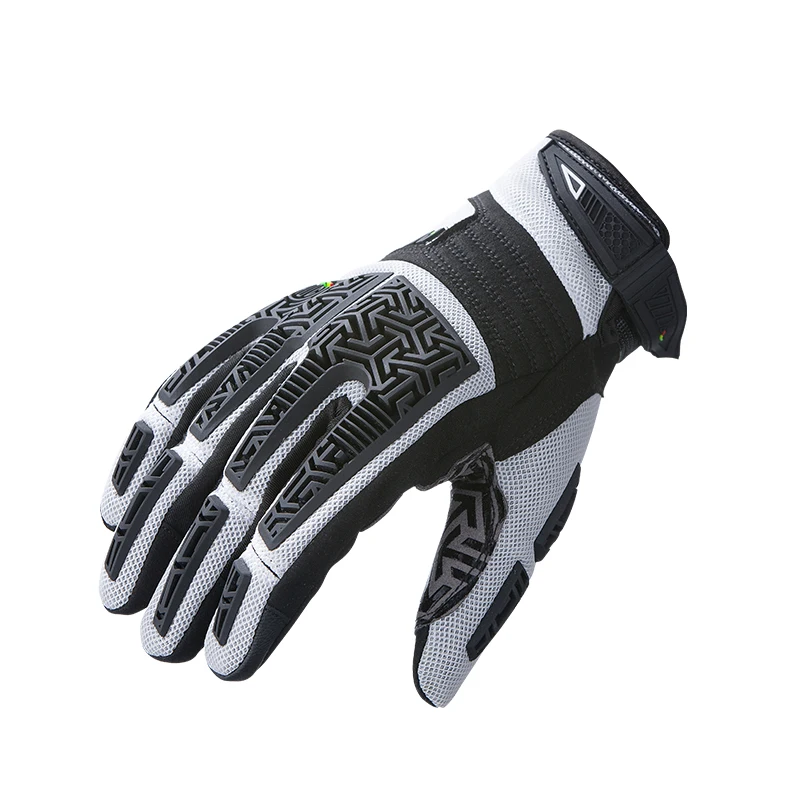
Důležitost rukavic pro motocykly se stává zřejmou při zkoumání klíčové role, kterou hrají ruce při ovládání motocyklu, a následků nedostatečné ochrany. Profesionální jezdci, odborníci na bezpečnost i lékařští specialisté opakovaně zdůrazňují, že kvalitní motocyklové rukavice představují investici jak do okamžitého jízdního komfortu, tak do dlouhodobého zdraví rukou. Ochranné vlastnosti sahají od odolnosti proti nárazu až po tlumení vibrací, zatímco komfortní prvky zlepšují kontrolu úchopu a snižují únavu během delších jízd.
Fyzická ochrana proti nárazu a opotřebení
Odolnost proti nárazu při nehodách
Rukavice pro motocykly poskytují kritickou ochranu před nárazy prostřednictvím zesílených ochranných krytů kloubů prstů, tlumivého potahu dlaně a systémů ochrany prstů. Při nehodách se ruce instinktivně natáhnou, aby zastavily pád, čímž se stávají extrémně zranitelnými vůči zlomeninám, řezným poraněním a poraněním způsobeným stlačením. Kvalitní rukavice pro motocykly obsahují tvrdé skořepové ochrany kloubů prstů a kloubů, které rozptylují sílu nárazu na větší plochu a snižují riziko vážných poškození kostí.
Ochranné materiály používané v rukavicích pro motocykly zahrnují uhlíková vlákna, pancéřování z termoplastického polyuretanu (TPU) a tlumivý potah z pěny o vysoké hustotě. Tyto materiály společně pohltí a rozptýlí energii nárazu a chrání citlivé kosti a klouby rukou před přímým traumatem. Profesionální rukavice pro motocykly často obsahují vícevrstvou ochranu, přičemž vnější skořepa zajišťuje první kontakt s nárazem a vnitřní tlumivý systém zajišťuje absorpci energie.
Ochrana před nárazy sa rozšiřuje za hranice ochrany kloubů prstů a zahrnuje také ochranu prstů, stabilizaci zápěstí a posílení dlaně. Prsty obsahují množství malých kostí, které jsou při pádech nebo srážkách zvláště náchylné ke zlomeninám. Pokročilé motocyklové rukavice jsou vybaveny pancéřováním pro prsty a flexibilní ochranou kloubů, která zachovává obratnost a zároveň poskytuje komplexní ochranu proti nárazovým silám.
Odolnost proti opotřebení pro prevenci oděr kůže
Oděry kůže patří mezi nejčastější a nejbolestivější zranění motocyklistů, zejména postihují nechráněné oblasti kůže, jako jsou ruce a paže. Motocyklové rukavice z materiálů odolných vůči opotřebení poskytují zásadní ochranu proti asfaltu kONTAKT při smyku a pádu. Kůže, syntetické textilie a speciální směsi tkanin nabízejí různou úroveň odolnosti proti opotřebení, přičemž plnokůže poskytuje nadprůměrnou ochranu za podmínek jízdy vysokou rychlostí.
Kvalita výroby rukavic pro motocykly přímo ovlivňuje jejich odolnost proti opotřebení. Dvojité a trojité stehy, posílené dlaně a strategické umístění materiálů zajišťují, že rukavice zachovají svou celistvost i při delším kontaktu s povrchem silnice. Profesionální závodní rukavice často obsahují dodatečné vrstvy materiálů odolných proti opotřebení v oblastech s vysokým opotřebením, což poskytuje zvýšenou ochranu pro soutěžní jízdu.
Normy pro testování odolnosti proti opotřebení pomáhají jezdcům pochopit ochranné schopnosti různých materiálů a konstrukcí rukavic. Tyto normy měří pevnost materiálů za kontrolovaných podmínek opotřebení a poskytují kvantifikovatelná data o úrovni ochrany. Porozumění těmto hodnocením pomáhá jezdcům vybrat rukavice na motor vhodné pro jejich styl jízdy a míru tolerance rizika.
Zlepšená kontrola sevření a přesnost manipulace
Zlepšené sevření ovládacích prvků
Rukavice pro motocykly výrazně zlepšují ovládání sevření díky strukturovaným povrchům dlaní, strategicky umístěným zónám pro lepší sevření a vlastnostem odvádějícím vlhkost. Holé ruce se mohou stát kluzkými kvůli potu, dešti nebo změnám teploty, čímž se snižuje přesnost ovládání a bezpečnost. Kvalitní rukavice pro motocykly jsou vybaveny specializovanými materiály pro lepší sevření na dlaních a prstech, které zajišťují stálý kontakt s řídítky, pákami a ovládacími prvky bez ohledu na počasí.
Zlepšení sevření poskytované rukavicemi pro motocykly se rozšiřuje i na ovládání pák, kde přesné ovládání spojkové a brzdové páky přímo ovlivňuje bezpečnost jízdy. Strukturované plochy na prstech a zesílení dlaní zlepšují taktickou zpětnou vazbu a zároveň brání prokluzování během nouzového brzdění nebo rychlého zrychlování. Toto zlepšené ovládání sevření je obzvláště důležité při dlouhých jízdách, kdy by únavou rukou jinak mohla být narušena přesnost ovládání.
Moderní rukavice pro motocykly využívají pokročilé technologie pro zlepšení úchopu, včetně silikonových vzorů, překryvů z umělé kůže a specializovaných pryžových směsí. Tyto materiály zajišťují stálý výkon úchopu v různých teplotních rozsazích i za různých povětrnostních podmínek. Kombinace zlepšení úchopu a ochranného polstrování zajistí, že jezdci udržují přesnou kontrolu nad motocyklem a zároveň těží z komplexní ochrany rukou.
Potlačení vibrací za účelem snížení únavy
Motocyklové motory i povrchy vozovek generují nepřetržité vibrace, které se přenášejí přes řídítka přímo do rukou a paží jezdců. Dlouhodobá expozice těmto vibracím způsobuje necitlivost rukou, brnění prstů a snížení síly úchopu, zejména při jízdě na dlouhé trasy. Motocyklové rukavice s integrovanými systémy potlačení vibrací tyto účinky zmírňují díky specializovanému polstrování a materiálům pohlcujícím nárazy.
Vibrační tlumivé vlastnosti rukavic pro motocykly vyplývají z gelových vložek, pěnového polstrování a vrstvených konstrukčních technik. Tyto prvky pohlcují vibrace vysoké frekvence, aniž by se ztrácela dotyková citlivost potřebná pro přesné ovládání. Profesionální rukavice pro dlouhé cesty často obsahují pokročilé tlumivé systémy speciálně navržené pro pohodlí při jízdě na dlouhé trasy, čímž snižují únavu rukou a udržují sílu stisku i při prodloužených jízdách.
Zranění rukou související s vibracemi – včetně poškození nervů a poruch krevního oběhu – představují vážné dlouhodobé zdravotní riziko pro motocyklisty. Pravidelné používání kvalitních motocyklových rukavic s účinným vibračním tlumením pomáhá tyto stavby předcházet a zároveň zlepšuje okamžitý komfort jízdy. Investice do motocyklových rukavic s vibračním tlumením se vyplácí jak z hlediska pohodlí, tak z hlediska dlouhodobého zdraví rukou.
Ochrana před počasím a regulace teploty
Tepelná izolace pro chladné počasí
Jízda za studeného počasí představuje pro pohodlí a ovládání rukou jedinečné výzvy, protože snížená krevní cirkulace a expozice nízkým teplotám mohou značně omezit jemnou motoriku a bezpečnost. Rukavice pro motocykly určené pro chladné podmínky jsou vybaveny izolačními systémy, větroněprostými bariérami a funkcemi zlepšujícími krevní oběh, které udržují ruce teplé a pružné. Správná tepelná ochrana zajišťuje, že jezdci zachovají přesnou kontrolu i za náročných povětrnostních podmínek.
Mezi izolační materiály používané v rukavicích pro motocykly určených pro chladné podmínky patří syntetické výplně, alternativy k peří a tepelné vložky. Tyto materiály zachycují těploto těla a zároveň umožňují odvádění vlhkosti ve formě páry, čímž brání hromadění vlhka, které může vést k dalšímu ochlazení. Pokročilé rukavice pro motocykly určené pro chladné podmínky mají více izolačních zón s různou tloušťkou, aby dosáhly rovnováhy mezi tepelnou ochranou a citlivostí ovládání.
Konstrukce rukavic pro jízdu na motocyklu za studeného počasí musí vyvažovat tepelnou ochranu s bezpečnostními funkcemi a požadavky na obratnost. Systémy ohřívaných rukavic, ohřívací prvky napájené bateriemi a technologie tepelné regulace poskytují další možnosti zahřívání za extrémně chladných podmínek. Tyto pokročilé funkce zajišťují, že rukavice pro jízdu na motocyklu nadále poskytují nezbytnou ochranu a zároveň zachovávají tepelný komfort nutný pro bezpečnou jízdu.
Větrání a řízení vlhkosti za horkého počasí
Jízda za horkého počasí představuje jiné výzvy pro pohodlí rukou, protože nadměrné horko a hromadění vlhkosti mohou narušit sevření ruky a způsobit nepohodlí během delších jízd. Rukavice pro jízdu na motocyklu určené pro teplé počasí jsou vybaveny systémy větrání, materiály odvádějícími vlhkost a dýchací konstrukcí, které udržují pohodlí rukou a zároveň zachovávají ochranné vlastnosti.
Větrací funkce jízdních rukavic pro horké počasí zahrnují díry v kožených panelech, síťové vložky a strategicky umístěné kanály pro proudění vzduchu. Tyto konstrukční prvky podporují cirkulaci vzduchu kolem rukou, aniž by byla narušena jejich strukturální pevnost a úroveň ochrany. Vyvážení mezi větráním a ochranou vyžaduje pečlivé inženýrské řešení, aby chladicí funkce neohrozily bezpečnostní výkon.
Systémy řízení vlhkosti v jízdních rukavicích brání hromadění potu, který může vést k růstu bakterií, vzniku nepříjemného zápachu a snížení účinnosti stisku. Antimikrobiální úpravy, vnitřní vrstvy odvádějící vlhkost a materiály rychle usušující se pomáhají udržovat hygienu a pohodlí během jízdy za horkého počasí. Tyto funkce zajišťují, že jízdní rukavice zůstávají účinné a pohodlné za různých počasí i při různé intenzitě jízdy.
Dlouhodobé zdraví rukou a prevence zranění
Prevence opakujících se zátěžových poranění
Prodloužená jízda na motocyklu může vést k opakujícím se zraněním způsobeným přetížením, která postihují ruce, zápěstí a předloktí kvůli trvalému tlaku na rukojeti, vibracím a opakujícím se pohybům ovládacích prvků. Motocyklové rukavice s ergonomickým designem, systémy rozložení tlaku a podporujícími prvky pomáhají těmto stavům předcházet snížením koncentrace zátěže a poskytnutím vhodné podpory pro správné držení ruky.
Ergonomické výhody kvalitních motocyklových rukavic zahrnují předohnutou konstrukci prstů, systémy podpory zápěstí a uvolnění tlakových bodů. Tyto prvky společně udržují přirozenou polohu ruky a současně snižují zátěž kloubů a šlach. Profesionální motocyklové rukavice často obsahují podporující prvky vyrobené z materiálů používaných v lékařství, které během dlouhých jízd poskytují terapeutické účinky.
Prevence opakujícího se zatížení u motocyklových rukavic sahá až k výběru materiálů a konstrukčním technikám, které minimalizují vnitřní tlakové body a oblasti tření. Bezševná konstrukce dlaně, měkké vložky a strategicky umístěné polštářky zajistí, že dlouhodobé nošení nevytváří nové tlakové body ani neprohlubuje stávající potíže s rukama. Investice do ergonomicky navržených motocyklových rukavic podporuje dlouhodobé potěšení z jízdy i zdraví rukou.
Zlepšení prokrvení a ochrana nervů
Špatné prokrvení a stlačení nervů představují vážné riziko pro motocyklisty, zejména při dlouhých jízdách nebo za extrémních počasí. Motocyklové rukavice navržené s ohledem na zlepšení prokrvení jsou vybaveny systémy postupné komprese, anatomicky tvarovanou konstrukcí a materiály, které podporují zdravý průtok krve. Tyto prvky pomáhají předcházet necitlivosti, brnění a dlouhodobým problémům s prokrvením.
Ochrana nervů v motocyklových rukavicích je zajištěna systémy polstrování, které rovnoměrně rozvádějí tlak po dlaních a prstech a tak brání stlačení citlivých nervových drah. Ulnární a mediální nervy, které procházejí zápěstím a rukou, jsou při jízdě na motocyklu zvláště náchylné ke stlačovacím poraněním. Správně navržené motocyklové rukavice poskytují ochranu těmto zranitelným oblastem a zároveň zachovávají obratnost a citlivost ovládání.
Dlouhodobé výhody používání motocyklových rukavic zlepšujících krevní oběh zahrnují snížené riziko syndromu karpálního tunelu, zlepšenou pružnost rukou a udržení síly sevření během celé jízdní kariéry. Tyto zdravotní výhody odůvodňují investici do kvalitních motocyklových rukavic jako preventivního lékařského vybavení spíše než pouhého ochranného doplňku.
Často kladené otázky
Jak motocyklové rukavice zvyšují bezpečnost ve srovnání s jízdou bez rukavic?
Rukavice pro motocykly výrazně zvyšují bezpečnost tím, že poskytují ochranu kloubů a kloubních chrupavek před nárazy, odolnost proti oděrám při pádu na silnici a zlepšenou přilnavost při ovládání řídítek a pák. Bez rukavic jsou ruce při nehodách extrémně zranitelné a hrozí jim vážná poranění, jako jsou zlomeniny, hluboké řezy nebo poškození nervů. Studie ukazují, že jezdci, kteří nosí kvalitní motocyklové rukavice, utrpí při nehodách výrazně méně poranění rukou a jejich zotavení je rychlejší.
Na jaké vlastnosti bych měl/a při výběru motocyklových rukavic dávat pozor, aby byl maximální komfort?
Pro maximální pohodlí vyhledejte rukavice pro jízdu na motocyklu s předohnutou konstrukcí prstů, systémy tlumení vibrací, vnitřními vložkami odvádějícími vlhkost a vhodným větráním nebo izolací podle podmínek, za kterých jezdíte. Ergonomická podpora zápěstí, bezševná konstrukce dlaně a správná velikost zajistí pohodlné nošení po delší dobu. Zvažte rukavice s nastavitelným uzavíracím systémem a více zónami pohodlí, které přizpůsobují různým tvarům rukou a jízdním pozicím.
Mohou rukavice pro jízdu na motocyklu zabránit dlouhodobým problémům rukou způsobeným jízdou?
Ano, kvalitní rukavice pro jízdu na motocyklu pomáhají předcházet několika dlouhodobým problémům rukou, včetně opakovaných poranění způsobených zátěží, syndromů stlačení nervů a poruch oběhu. Rukavice s vhodným tlumením vibrací snižují riziko vzniku onemocnění, jako je karpální tunelový syndrom, zatímco ergonomické konstrukční prvky podporují zdravou polohu rukou. Pravidelné používání vhodných rukavic pro jízdu na motocyklu představuje preventivní zdravotní péči pro vážné jezdce.
Jak poznám, že mé rukavice pro motocykly poskytují dostatečnou ochranu?
Dostatečná ochrana poskytovaná rukavicemi pro motocykly zahrnuje tvrdou pancéřovou výztuhu na kloubech prstů a kloubech, materiály odolné proti opotřebení s příslušným certifikátem CE nebo podobným bezpečnostním certifikátem, zesílené dlaně a spolehlivé systémy uzavírání na zápěstí. Rukavice by měly sedět těsně, aniž by omezovaly krevní oběh nebo pohyb, a všechny ochranné prvky by měly během používání zůstat správně umístěné. Hledejte rukavice, které splňují uznávané bezpečnostní normy a byly testovány na odolnost proti nárazu a opotřebení.