
 EN
EN

मोटरसाइकिल दस्ताने लंबी सवारी के दौरान सुरक्षा को कैसे बढ़ा सकते हैं?
लंबी दूरी की मोटरसाइकिल सवारी में विशिष्ट सुरक्षा चुनौतियाँ उत्पन्न होती हैं, जिनके लिए विशेषीकृत सुरक्षात्मक उपकरणों की आवश्यकता होती है, और मोटरसाइकिल दस्ताने विस्तारित यात्राओं के दौरान चालक की सुरक्षा बनाए रखने में महत्वपूर्ण भूमिका निभाते हैं। लंबी सवारी के दौरान दोहराव की प्रकृति, विभिन्न मौसमी स्थितियों और सड़क की सतहों के संयोजन से विशिष्ट जोखिम उत्पन्न होते हैं, जिन्हें गुणवत्तापूर्ण मोटरसाइकिल दस्ताने प्रभावी ढंग से कम कर सकते हैं। यह समझना कि ये सुरक्षात्मक एक्सेसरीज़ विस्तारित सवारी के दौरान सुरक्षा को कैसे बढ़ाती हैं, चालकों को अपने सुरक्षात्मक उपकरणों के निवेश के बारे में सूचित निर्णय लेने में सहायता प्रदान करता है।
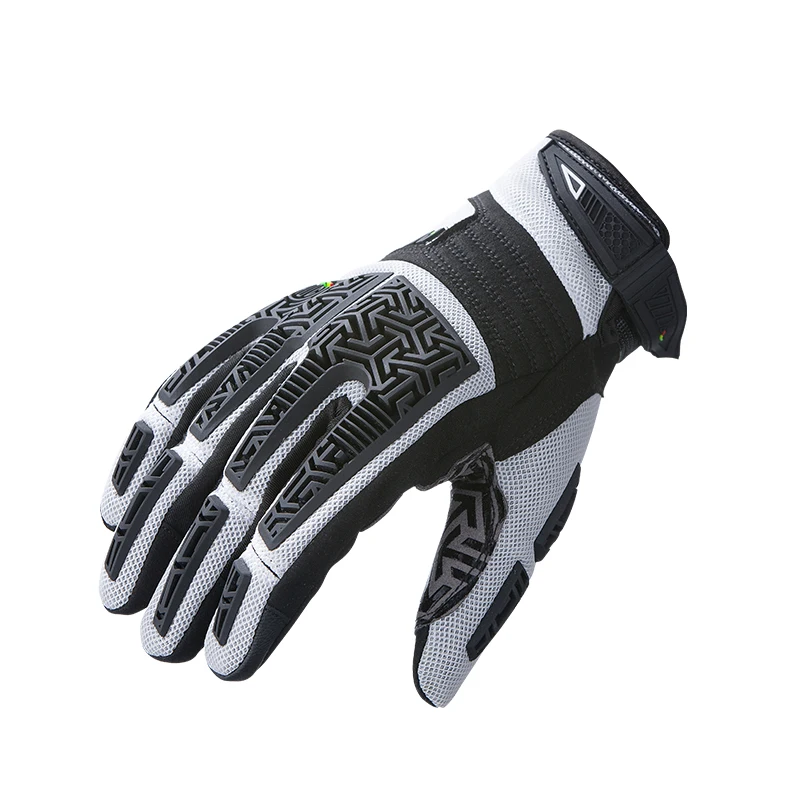
मोटरसाइकिल दस्ताने के सुरक्षा लाभ विशेष रूप से लंबी यात्राओं के दौरान स्पष्ट हो जाते हैं, जहाँ चालकों को संचयी थकान, पर्यावरणीय उत्प्रेरकों के संपर्क में आने और सड़क पर लंबे समय तक रहने के कारण दुर्घटना के बढ़े हुए जोखिम का सामना करना पड़ता है। पेशेवर चालक और पर्यटन प्रेमी समझते हैं कि उचित हाथ सुरक्षा सीधे तौर पर उनकी नियंत्रण बनाए रखने की क्षमता, खतरों के प्रति प्रतिक्रिया देने की क्षमता और लंबी यात्राओं को सुरक्षित रूप से पूरा करने की क्षमता को प्रभावित करती है। गुणवत्तापूर्ण मोटरसाइकिल दस्तानों में निवेश एक मौलिक सुरक्षा निर्णय है जो विस्तारित मोटरसाइकिल यात्रा के प्रत्येक पहलू को प्रभावित करता है।
विस्तारित यात्रा के दौरान महत्वपूर्ण सुरक्षा कार्य
प्रभाव सुरक्षा और दुर्घटना सुरक्षा
लंबी यात्राओं के दौरान, थकान, बदलती सड़क की स्थिति और यातायात के प्रति लंबे समय तक उत्प्रेरित होने के कारण दुर्घटना का जोखिम बढ़ जाता है। मोटरसाइकिल दस्ताने हाथों और उंगलियों के लिए आवश्यक प्रभाव सुरक्षा प्रदान करते हैं, जो शरीर के उन भागों में से एक हैं जो सबसे पहले संपर्क गिरने के दौरान जमीन के संपर्क में आने पर। उच्च गुणवत्ता वाले मोटरसाइकिल दस्ताने में मजबूत टखने के संरक्षक, हथेली के लिए अतिरिक्त सुरक्षा पैडिंग और उंगलियों की सुरक्षा होती है, जो दुर्घटनाओं के दौरान फ्रैक्चर और गंभीर घावों को रोक सकती है। सुरक्षात्मक पैडिंग धक्के के बल को बड़े सतह क्षेत्र में वितरित करती है, जिससे संकेंद्रित चोटों की संभावना कम हो जाती है, जो सवार के हाथों को स्थायी रूप से अक्षम बना सकती हैं।
मोटरसाइकिल दस्तानों की घर्षण प्रतिरोध क्षमता एस्फाल्ट या कंक्रीट की सतहों के साथ फिसलने के संपर्क के दौरान अत्यंत महत्वपूर्ण हो जाती है। लंबी यात्राएँ अक्सर ऐसी गति पर होती हैं जहाँ दुर्घटना के परिदृश्य में सड़क पर लंबी दूरी तक फिसलने की संभावना होती है। पेशेवर-श्रेणी के मोटरसाइकिल दस्तानों में केवलार, कार्बन फाइबर और मजबूत किया गया चमड़ा जैसी सामग्रियों का उपयोग किया जाता है, जो सड़क की सतह के साथ लंबे समय तक संपर्क में रहने पर भी अपनी अखंडता बनाए रखती हैं। यह सुरक्षा त्वचा, कंधे के टेंडन और उन मूलभूत संरचनाओं की रक्षा करती है जो दुर्घटनाओं के बाद भी सवार को हाथों के कार्य को बनाए रखने में सक्षम बनाती हैं।
उन्नत मोटरसाइकिल दस्ताने ऊर्जा-अवशोषित सामग्री और निर्माण तकनीकों को शामिल करते हैं जो प्रभाव से होने वाली चोटों की गंभीरता को कम करते हैं। बहु-स्तरीय सुरक्षा प्रणालियाँ धीरे-धीरे अवशोषित होने वाले बल के माध्यम से दुर्घटना के बल को वितरित करती हैं, जिससे गंभीर हड्डी और जोड़ की चोटों का कारण बनने वाले संकेंद्रित भार को रोका जाता है। मोटरसाइकिल दस्तानों में सुरक्षात्मक तत्वों की रणनीतिक व्यवस्था दुर्घटना विश्लेषण और जैव-यांत्रिक अध्ययनों के आधार पर पहचाने गए सबसे सुभेद्य क्षेत्रों के अनुरूप होती है।
ग्रिप वृद्धि और नियंत्रण बनाए रखना
लंबी यात्राएँ चालक की हथेली के थकान और पर्यावरणीय कारकों के कारण लगातार ग्रिप शक्ति बनाए रखने और नियंत्रण की सटीकता बनाए रखने की क्षमता को चुनौती देती हैं। मोटरसाइकिल दस्तानों में विशेष हथेली और उंगलियों की सतहें होती हैं जो हैंडलबार, ब्रेक लीवर और क्लच नियंत्रण पर ग्रिप सुरक्षा को बढ़ाती हैं। उच्च गुणवत्ता वाले मोटरसाइकिल दस्तानों में उपयोग किए जाने वाले टेक्सचर्ड पैटर्न और सामग्री संरचनाएँ उत्कृष्ट घर्षण विशेषताएँ प्रदान करती हैं, जो गीले होने या सड़क के कचरे से दूषित होने की स्थिति में भी प्रभावी रहती हैं।
मोटरसाइकिल दस्तानों की शारीरिकी-अनुकूल डिज़ाइन प्राकृतिक हाथ की स्थिति को समर्थन देती है और लंबे समय तक ग्रिप करने से संबंधित मांसपेशियों के तनाव को कम करती है। मोटरसाइकिल दस्तानों में पूर्व-वक्रित उंगलियाँ और रणनीतिक रूप से स्थापित तकिया ग्रिप करते समय प्राकृतिक हाथ की स्थिति को समायोजित करते हैं। यह डिज़ाइन थकान से जुड़ी ग्रिप कमजोरी को कम करती है, जो लंबी सवारी के दौरान महत्वपूर्ण मैन्युवरिंग स्थितियों में सुरक्षा को समाप्त कर सकती है।
मोटरसाइकिल दस्तानों के कंपन अवशोषण गुण लंबे समय तक सवारी के दौरान हाथ की सुन्नता और संवेदनशीलता में कमी को रोकने में सहायता करते हैं। उच्च गुणवत्ता वाले मोटरसाइकिल दस्तानों के बहु-स्तरीय निर्माण और रणनीतिक रूप से स्थापित तकिया इंजन और सड़क के कंपन को अवशोषित करते हैं, जो स्नायु संपीड़न और स्पर्श संवेदना में कमी का कारण बन सकते हैं। लंबी सवारी के दौरान हाथ की संवेदनशीलता को बनाए रखना सुनिश्चित करता है कि सवार वाहन के व्यवहार और पर्यावरणीय स्थितियों में सूक्ष्म परिवर्तनों का पता लगा सकें।
पर्यावरणीय सुरक्षा और सुविधा कारक
मौसम सुरक्षा और तापमान नियंत्रण
लंबी यात्राएँ चालकों को विभिन्न मौसमी स्थितियों के संपर्क में लाती हैं, जो कम चपलता और आराम के कारण सुरक्षा को संकट में डाल सकती हैं। मोटरसाइकिल दस्ताने हवा के ठंडक, वर्षा और तापमान की चरम स्थितियों से हाथों की सुरक्षा प्रदान करते हैं, जो लंबी यात्रा के दौरान हाथों के कार्य को प्रभावित कर सकती हैं। ऊष्मारोधी मोटरसाइकिल दस्ताने ठंडी स्थितियों में हाथों को गर्म रखते हैं, जिससे शीतकालीन लंबी यात्राओं के दौरान सुरक्षा को संकट में डालने वाली सुन्नता और कम हुए मोटर नियंत्रण को रोका जा सकता है।
जलरोधी और श्वसनशील मोटरसाइकिल दस्ताने गीली स्थितियों में लंबी यात्राओं के दौरान हाथों को शुष्क रखते हैं, जबकि अत्यधिक गर्म होने से बचाते हैं। उन्नत मोटरसाइकिल दस्तानों में उपयोग की जाने वाली झिल्ली प्रौद्योगिकियाँ नमी के वाष्प को बाहर निकलने की अनुमति देती हैं, जबकि बाहरी जल के प्रवेश को रोकती हैं। यह नमी प्रबंधन हाथों के नरम होने और पकड़ के कमजोर होने को रोकता है, जो लंबी यात्राओं के दौरान हाथों के लंबे समय तक गीले रहने पर होता है।
मोटरसाइकिल के दस्तानों में वेंटिलेशन प्रणालियाँ लंबी गर्मियों की सवारियों के दौरान हाथों के आदर्श तापमान को बनाए रखने में सहायता करती हैं। मोटरसाइकिल के दस्तानों में रणनीतिक छिद्रों और वायु प्रवाह चैनलों के माध्यम से शीतलन को बढ़ावा दिया जाता है, जबकि सुरक्षात्मक अखंडता को बनाए रखा जाता है। उचित वेंटिलेशन के माध्यम से तापमान नियमन, अत्यधिक पसीना आने को रोकता है, जो ग्रिप सुरक्षा को कम कर देता है और लंबे समय तक गर्म मौसम में सवारी के दौरान थकान को बढ़ा देता है।
यूवी सुरक्षा और त्वचा स्वास्थ्य
लंबी सवारियों के दौरान विस्तृत सूर्य के संपर्क से त्वचा को गंभीर क्षति हो सकती है तथा विचलन और असहजता के माध्यम से सुरक्षा को भी संकट में डाल सकती है। मोटरसाइकिल की बल्कि हाथों और कलाई पर सनबर्न तथा दीर्घकालिक त्वचा क्षति को रोकने के लिए व्यापक यूवी सुरक्षा प्रदान करते हैं। उच्च-गुणवत्ता वाले मोटरसाइकिल के दस्तानों के सामग्री और निर्माण हानिकारक यूवी विकिरण को अवरुद्ध करते हैं, जबकि विस्तृत संपर्क के दौरान श्वसनीयता और आराम को बनाए रखते हैं।
दीर्घकालिक त्वचा स्वास्थ्य के विचारों के कारण, पर्यटन चालकों के लिए मोटरसाइकिल दस्तानों में यूवी सुरक्षा एक महत्वपूर्ण सुरक्षा विशेषता है। कई लंबी सवारियों के दौरान बार-बार सूर्य के प्रकाश के संपर्क में आने से त्वचा की प्रारंभिक वृद्धि, त्वचा कैंसर का खतरा और त्वचा की संरचना में कमी आ सकती है। पेशेवर मोटरसाइकिल दस्ताने यूवी-प्रतिरोधी सामग्री और उपचारों का उपयोग करते हैं, जो विस्तारित सवारी के वर्षों तक सुरक्षात्मक प्रभावशीलता को बनाए रखते हैं।
पूर्ण-उंगली वाले मोटरसाइकिल दस्तानों द्वारा प्रदान किया गया आवरण नाखूनों के आधार और उंगलियों के जोड़ों तक सुरक्षा का विस्तार करता है, जो यूवी क्षति के प्रति विशेष रूप से संवेदनशील होते हैं। पूर्ण हाथ के आवरण से लंबी सवारियों के दौरान आंशिक सुरक्षा के कारण होने वाले असमान टैनिंग और त्वचा क्षति के पैटर्न को रोका जाता है। हाथ की सभी सतहों पर सुसंगत सुरक्षा त्वचा के एकरूप स्वास्थ्य को बनाए रखती है और चयनात्मक सूर्य क्षति से संबंधित असहजता को रोकती है।
थकान रोकथाम और सहनशक्ति समर्थन
आर्गोनॉमिक डिज़ाइन और मांसपेशियों का समर्थन
लंबी यात्राओं के दौरान बार-बार पकड़ने और नियंत्रण के इनपुट की आवश्यकता होती है, जिससे हाथ और अग्रभाग के थकान में काफी वृद्धि हो सकती है, जो सुरक्षा को समाप्त कर सकती है। लंबे समय तक उपयोग के लिए डिज़ाइन किए गए मोटरसाइकिल दस्ताने शरीर-अनुकूल विशेषताओं को शामिल करते हैं जो प्राकृतिक हाथ की गतिविधियों का समर्थन करते हैं और मांसपेशियों के तनाव को कम करते हैं। उच्च गुणवत्ता वाले मोटरसाइकिल दस्तानों में रणनीतिक रूप से रखे गए तकिये और समर्थन तत्व पकड़ने के बल को बड़े मांसपेशी समूहों पर वितरित करते हैं, जिससे स्थानीय थकान को रोका जाता है जो नियंत्रण की सटीकता को प्रभावित करती है।
मोटरसाइकिल दस्तानों में संपीड़न तत्व रक्त परिसंचरण में सुधार कर सकते हैं और लंबी यात्राओं के दौरान होने वाले सूजन को कम कर सकते हैं। अच्छी तरह से फिट होने वाले मोटरसाइकिल दस्तानों द्वारा प्रदान किया गया क्रमिक संपीड़न रक्त प्रवाह का समर्थन करता है, जबकि हाथ की अकड़न और कम चुस्ती का कारण बनने वाले द्रव संचय को रोकता है। सुधारित रक्त परिसंचरण लंबे समय तक चलने वाली सवारी के दौरान हाथ के कार्यों को बनाए रखता है और लंबी यात्राओं के बाद पुनर्प्राप्ति के समय को कम करता है।
मोटरसाइकिल दस्ताने द्वारा प्रदान किया गया संयुक्त समर्थन लंबी सवारी के दौरान होने वाली अत्यधिक विस्तार और अत्यधिक मोड़ की चोटों को रोकने में मदद करता है। मोटरसाइकिल दस्तानों में महत्वपूर्ण जोड़ स्थानों पर मजबूती प्रदान करने से अत्यधिक गति को सीमित किया जाता है, जबकि मोटरसाइकिल नियंत्रण के लिए आवश्यक गति सीमा को बनाए रखा जाता है। यह समर्थन विशेष रूप से लंबी सवारी के दौरान महत्वपूर्ण है, जहाँ संचयी तनाव के कारण दोहराव वाली तनाव चोटें हो सकती हैं।
संवेदी वृद्धि और प्रतिक्रिया
लंबी सवारी के दौरान स्पर्श संवेदनशीलता को बनाए रखना मोटरसाइकिल के व्यवहार और सड़क की स्थिति में परिवर्तन का पता लगाने के लिए आवश्यक है। उन्नत मोटरसाइकिल दस्तानों में महत्वपूर्ण क्षेत्रों में पतली, संवेदनशील सामग्री का उपयोग किया जाता है, जो सुरक्षा प्रदान करते हुए स्पर्श प्रतिक्रिया को बनाए रखती है। गुणवत्तापूर्ण मोटरसाइकिल दस्तानों में सुरक्षा और संवेदनशीलता के बीच संतुलन सुनिश्चित करता है कि सवार लंबी सवारी के दौरान सूक्ष्म कंपन, तापमान परिवर्तन और नियंत्रण प्रतिरोध में परिवर्तन को महसूस कर सकें।
मोटरसाइकिल दस्तानों में प्रयुक्त सामग्री का चयन और निर्माण तकनीकें कुछ प्रकार के संवेदी प्रतिक्रिया को बढ़ा सकती हैं, जबकि हानिकारक इनपुट को फ़िल्टर करती हैं। मोटरसाइकिल दस्तानों में कंपन-अवशोषण गुण हानिकारक आवृत्तियों को कम करते हैं, जबकि लाभदायक स्पर्श सूचना को बनाए रखते हैं। यह चयनात्मक फ़िल्टरिंग लंबी यात्राओं के दौरान संवेदी अतिभार और थकान को रोकने में सहायता करती है, जबकि सुरक्षित मोटरसाइकिल संचालन के लिए आवश्यक प्रतिक्रिया को बनाए रखती है।
लंबी यात्राओं के दौरान संवेदी इनपुट की स्थिरता चालकों को स्थानिक जागरूकता और वाहन नियंत्रण बनाए रखने में सहायता करती है। ऐसे मोटरसाइकिल दस्ताने जो स्थिर स्पर्श विशेषताएँ प्रदान करते हैं, लंबे समय तक उत्तेजना के कारण होने वाले अनुकूलन और संवेदनहीनता को रोकते हैं। उच्च गुणवत्ता वाले मोटरसाइकिल दस्तानों के माध्यम से विश्वसनीय संवेदी प्रतिक्रिया विस्तारित यात्रा के दौरान सुरक्षित नेविगेशन के लिए आवश्यक निरंतर समायोजनों का समर्थन करती है।
दूर की यात्रा के लिए सुरक्षा के लिए चयन मानदंड
सामग्री विशिष्टताएँ और टिकाऊपन
मोटरसाइकिल दस्ताने की सामग्री संरचना लंबी यात्राओं के दौरान उनके सुरक्षा प्रदर्शन को सीधे प्रभावित करती है। चमड़े के मोटरसाइकिल दस्ताने लंबे समय तक उपयोग के लिए उत्कृष्ट घर्षण प्रतिरोध और टिकाऊपन प्रदान करते हैं, जबकि मोटरसाइकिल दस्तानों में सिंथेटिक सामग्रियाँ श्रेष्ठ नमी प्रबंधन और हल्का वजन प्रदान कर सकती हैं। सामग्री प्रकारों के बीच चयन लंबी यात्राओं की विशिष्ट परिस्थितियों और अवधि पर निर्भर करता है, जहाँ प्रत्येक सामग्री अपने विशिष्ट सुरक्षा लाभ प्रदान करती है।
मोटरसाइकिल दस्तानों में प्रबलन रणनीतियों को लंबी यात्रा के दौरान आराम के लिए सुरक्षा और लचक के बीच संतुलन बनाए रखना आवश्यक है। मोटरसाइकिल दस्तानों के उच्च-पहनन वाले क्षेत्रों में डबल-लेयर निर्माण उनके सेवा जीवन को बढ़ाता है, जबकि लंबे समय तक उपयोग के लिए आवश्यक लचक को बनाए रखता है। मोटरसाइकिल दस्तानों में प्रबलन की स्थिति और विस्तार को लंबी यात्राओं के दौरान विकसित होने वाले विशिष्ट पहनन पैटर्नों और तनाव बिंदुओं के अनुरूप होना चाहिए।
मोटरसाइकिल दस्तानों में सीम निर्माण और सिलाई की गुणवत्ता उनकी लंबी यात्राओं के दौरान अखंडता बनाए रखने की क्षमता को निर्धारित करती है। मोटरसाइकिल दस्तानों में मजबूत सिलाई और रणनीतिक सीम स्थान विस्तारित उपयोग के दौरान विकसित होने वाले तनाव संकेंद्रण बिंदुओं पर विफलता को रोकते हैं। मोटरसाइकिल दस्तानों में निर्माण विवरणों की टिकाऊपन लंबी यात्राओं की पूरी अवधि के दौरान लगातार सुरक्षा सुनिश्चित करती है।
फिटिंग और आकार की महत्वाकांक्षाएँ
लंबी यात्राओं के दौरान अधिकतम सुरक्षा प्रदान करने के लिए मोटरसाइकिल दस्तानों का उचित फिट होना आवश्यक है। जो दस्ताने बहुत कसे होते हैं, वे रक्त परिसंचरण को प्रतिबंधित करते हैं और थकान बढ़ाते हैं, जबकि ढीले मोटरसाइकिल दस्ताने नियंत्रण की सटीकता और सुरक्षा प्रभावकारिता को कम कर देते हैं। लंबी यात्राओं के लिए उपयोग किए जाने वाले मोटरसाइकिल दस्तानों के आकार निर्धारण के मामले में हाथ के सूजन और विभिन्न राइडिंग परिस्थितियों की परतीकरण आवश्यकताओं को ध्यान में रखा जाना चाहिए।
मोटरसाइकिल दस्ताने की ब्रेक-इन विशेषताएँ लंबी यात्राओं के दौरान उनके प्रदर्शन को प्रभावित करती हैं। नए मोटरसाइकिल दस्तानों को विस्तृत उपयोग के दौरान अनुकूलतम सुविधा और सुरक्षा प्रदान करने से पहले सशर्त करने और अनुकूलन की अवधि की आवश्यकता हो सकती है। मोटरसाइकिल दस्तानों की ब्रेक-इन प्रक्रिया की योजना बनाना सुनिश्चित करता है कि वे महत्वपूर्ण दूरी की यात्राओं के दौरान विश्वसनीय रूप से कार्य करेंगे।
मोटरसाइकिल दस्तानों में समायोज्यता सुविधाएँ लंबी यात्राओं के दौरान परिस्थितियों के बदलाव के साथ फिट को सटीक रूप से समायोजित करने की अनुमति देती हैं। गुणवत्तापूर्ण मोटरसाइकिल दस्तानों में बंद करने की प्रणालियाँ और समायोजन तंत्र चालकों को विभिन्न मौसमी परिस्थितियों, परतों की आवश्यकताओं और विस्तृत यात्रा के दौरान सुविधा की प्राथमिकताओं के अनुसार फिट को समायोजित करने में सक्षम बनाते हैं। यात्रा के दौरान मोटरसाइकिल दस्तानों को समायोजित करने की क्षमता परिवर्तनशील परिस्थितियों के दौरान उनके अनुकूलतम प्रदर्शन को बनाए रखती है।
अक्सर पूछे जाने वाले प्रश्न
दूरी की यात्रा के लिए सुरक्षा के उद्देश्य से मोटरसाइकिल दस्तानों को कितनी बार बदला जाना चाहिए?
मोटरसाइकिल दस्ताने को तब बदल देना चाहिए जब सुरक्षात्मक सामग्री में महत्वपूर्ण क्षरण दिखाई दे, सिलाई कमजोर होने लगे, या सुरक्षात्मक पैडिंग अपनी प्रभावशीलता से परे संपीड़ित हो जाए। लंबी दूरी की नियमित सवारी करने वाले चालकों के लिए, मोटरसाइकिल दस्तानों का वार्षिक प्रतिस्थापन अधिकतम सुरक्षा सुनिश्चित करता है, जबकि कभी-कभार टूरिंग करने वाले चालक 2-3 वर्षों की सेवा अवधि प्राप्त कर सकते हैं। लंबी यात्राओं से पहले मोटरसाइकिल दस्तानों का नियमित निरीक्षण उन क्षरण पैटर्नों की पहचान करने में सहायता करता है जो विस्तारित यात्रा के दौरान सुरक्षा को समाप्त कर सकते हैं।
क्या मोटरसाइकिल दस्ताने लंबी यात्रा के दौरान होने वाले दुर्घटनाओं में सभी हाथ की चोटों को रोक सकते हैं?
जबकि मोटरसाइकिल दस्ताने हाथ की चोटों की गंभीरता और संभावना को काफी कम करते हैं, ये गंभीर दुर्घटनाओं के दौरान सभी संभावित चोटों को रोकने में सक्षम नहीं होते हैं। उच्च गुणवत्ता वाले मोटरसाइकिल दस्ताने लंबी सवारी के दौरान आमतौर पर होने वाली घर्षण, हल्के प्रभाव और पर्यावरणीय खतरों से उत्कृष्ट सुरक्षा प्रदान करते हैं। सुरक्षा का स्तर दुर्घटना की गंभीरता, मोटरसाइकिल दस्तानों की गुणवत्ता और शामिल प्रभाव बलों की विशिष्ट प्रकृति पर निर्भर करता है।
क्या महंगे मोटरसाइकिल दस्ताने लंबी सवारी के लिए बेहतर सुरक्षा प्रदान करते हैं?
उच्च मूल्य वाले मोटरसाइकिल दस्ताने आमतौर पर उत्कृष्ट सामग्री, निर्माण गुणवत्ता और सुरक्षा विशेषताएँ प्रदान करते हैं, जो लंबी यात्राओं के दौरान सुरक्षा को बढ़ाती हैं। हालाँकि, उचित फिटिंग और उपयुक्त विशेषताओं का चयन करना केवल मूल्य से अधिक महत्वपूर्ण है। मध्य-श्रेणी के मोटरसाइकिल दस्ताने, जो उचित रूप से फिट हों और आवश्यक सुरक्षा विशेषताएँ शामिल करें, अक्सर उन महंगे मोटरसाइकिल दस्तानों की तुलना में बेहतर सुरक्षा प्रदान करते हैं जो खराब तरीके से फिट हों या विशिष्ट लंबी यात्रा की स्थितियों के लिए आवश्यक विशेषताओं से वंचित हों।
क्या विभिन्न लंबी यात्रा की स्थितियों के लिए अलग-अलग प्रकार के मोटरसाइकिल दस्तानों का उपयोग करना चाहिए?
हाँ, विभिन्न लंबी यात्रा की स्थितियों के लिए उनके विशिष्ट वातावरणों के अनुकूल मोटरसाइकिल दस्ताने के विशिष्ट प्रकारों का लाभ होता है। गर्मियों में पर्यटन के लिए यूवी सुरक्षा के साथ वेंटिलेटेड मोटरसाइकिल दस्ताने की आवश्यकता होती है, जबकि सर्दियों में लंबी यात्राओं के लिए ऊष्मा-रोधी और जलरोधी मोटरसाइकिल दस्तानों की आवश्यकता होती है। एडवेंचर राइडर्स को प्रभाव प्रतिरोध और टिकाऊपन में वृद्धि के साथ मोटरसाइकिल दस्तानों की आवश्यकता हो सकती है, जबकि स्पोर्ट टूरिंग राइडर्स मोटरसाइकिल दस्तानों को उत्कृष्ट स्पर्श सुग्राहिता और एरोडायनामिक गुणों के साथ प्राथमिकता देते हैं।