
 EN
EN

How Does a Motorcycle Mask Improve Comfort During Riding?
Long-distance motorcycle rides can become uncomfortable when riders face constant wind exposure, dust particles, and fluctuating temperatures that directly impact their facial comfort and breathing patterns. A motorcycle mask serves as a crucial barrier between the rider's face and these environmental challenges, creating a controlled microclimate that significantly enhances the overall riding experience through improved temperature regulation and protection.
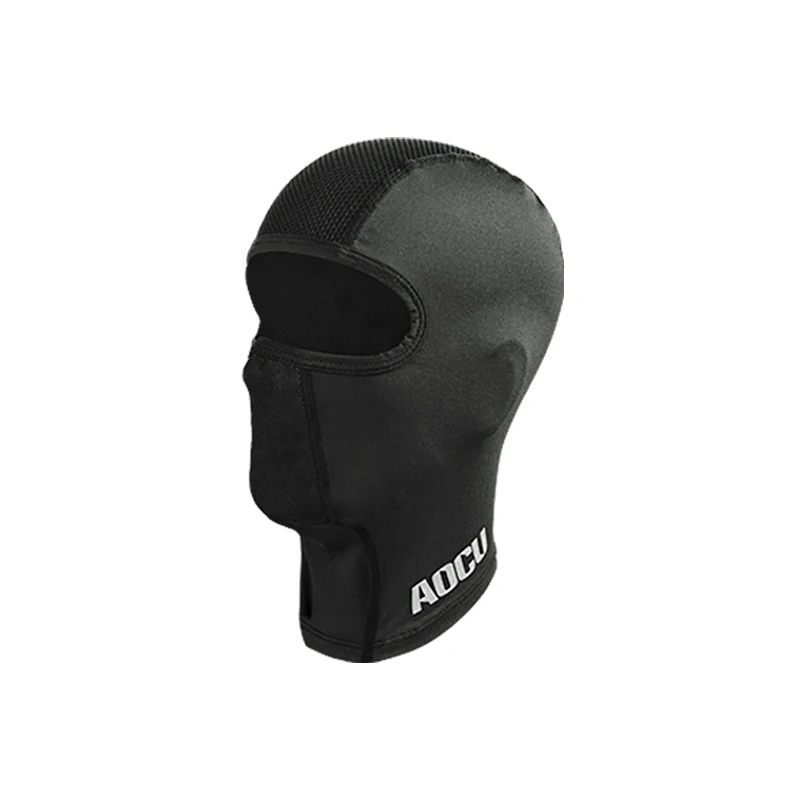
Understanding how a motorcycle mask improves comfort requires examining the specific mechanisms through which this protective gear addresses common riding discomforts. The mask creates multiple layers of protection and climate control that work together to maintain optimal facial conditions, reduce fatigue, and allow riders to focus on the road rather than managing environmental stressors that would otherwise compromise their concentration and enjoyment.
Temperature Regulation and Thermal Comfort
Heat Retention in Cold Weather
During cold weather riding, a motorcycle mask creates an insulating layer that traps warm air exhaled by the rider close to the facial area. This trapped warm air forms a thermal barrier that prevents cold wind from directly hitting sensitive facial skin, reducing the shock of temperature differences that can cause discomfort and muscle tension. The mask material acts as a buffer zone that allows body heat to gradually warm the incoming air before it reaches the nose and mouth.
The thermal insulation provided by a quality motorcycle mask prevents the rapid heat loss that typically occurs when warm facial skin is exposed to cold, fast-moving air. This heat retention mechanism reduces the energy expenditure required by the body to maintain comfortable facial temperatures, which in turn decreases overall fatigue during extended rides. Riders experience less facial numbness and maintain better sensation in their cheeks and jaw area, contributing to improved comfort and safety awareness.
Moisture Management and Breath Control
A well-designed motorcycle mask incorporates moisture-wicking properties that manage the humidity created by exhaled breath while maintaining thermal comfort. The mask material absorbs excess moisture from breathing while allowing sufficient air circulation to prevent the buildup of condensation that could create discomfort or impair visibility. This moisture management system ensures that the facial area remains dry and comfortable even during intense physical exertion or varying weather conditions.
The breath control mechanism of a motorcycle mask creates a pre-warming chamber for incoming air, which reduces the shock of breathing cold air directly into the lungs. This pre-conditioning effect makes breathing more comfortable and reduces the likelihood of throat irritation or respiratory discomfort that can occur when riding in cold or dusty conditions. The controlled breathing environment also helps maintain consistent oxygen intake, supporting sustained performance during long rides.
Protection Against Environmental Elements
Wind Deflection and Pressure Relief
High-speed motorcycle riding creates significant wind pressure against the rider's face, which can cause eye watering, skin irritation, and breathing difficulties. A motorcycle mask deflects this wind pressure away from sensitive facial areas, creating a calmer air pocket around the nose, mouth, and cheeks. This wind deflection reduces the physical stress on facial muscles that would otherwise work constantly to maintain comfortable expressions against wind resistance.
The pressure relief provided by wind deflection extends beyond immediate comfort to include reduced fatigue in the neck and jaw muscles. When wind pressure is minimized, riders can maintain more relaxed facial positions without fighting against constant air resistance. This relaxation effect cascades through the entire upper body, reducing tension that can build up during extended riding sessions and contributing to overall postural comfort and endurance.
Particle Filtration and Debris Protection
Road debris, insects, and airborne particles pose constant threats to rider comfort, potentially causing eye irritation, breathing problems, and skin discomfort. A motorcycle mask acts as a physical barrier that filters out larger particles before they can reach the rider's airways or make contact with facial skin. This filtration effect is particularly valuable when riding through construction zones, dusty rural roads, or areas with high pollen counts that could trigger allergic reactions.
The protective barrier created by a motorcycle mask also shields against UV radiation that can cause skin damage and discomfort during daytime rides. This protection helps prevent sunburn on exposed facial areas while maintaining breathability and comfort. The combination of particle filtration and UV protection creates a comprehensive shield that allows riders to focus on their journey without constantly managing environmental irritants that would otherwise compromise their comfort and concentration.
Ergonomic Design and Fit Optimization
Anatomical Contouring for Natural Movement
Modern motorcycle mask designs incorporate anatomical contouring that follows the natural curves and movement patterns of the human face. This contouring ensures that the mask maintains consistent contact and protection without creating pressure points or restricting natural facial movements such as speaking, drinking, or adjusting riding gear. The ergonomic design allows for comfortable jaw movement while maintaining the protective seal around critical areas.
The anatomical fit of a well-designed motorcycle mask accommodates the dynamic nature of motorcycle riding, where head position and facial orientation change frequently in response to road conditions and riding techniques. The mask maintains its protective and comfort benefits across this range of motion, preventing gaps or bunching that could compromise effectiveness or create new sources of discomfort. This adaptive fit capability ensures consistent performance regardless of riding style or duration.
Breathability and Ventilation Systems
Strategic ventilation integrated into motorcycle mask design ensures adequate airflow while maintaining protective coverage. These ventilation systems allow for natural breathing patterns without creating stuffiness or excessive humidity buildup that could lead to discomfort. The controlled airflow maintains the balance between protection and breathability, ensuring that riders can maintain normal respiratory patterns during varying levels of physical exertion.
The ventilation design of quality motorcycle masks incorporates directional airflow patterns that enhance comfort while preventing the entry of unwanted particles or excessive wind. This engineered airflow creates a microclimate around the facial area that supports natural breathing while maintaining optimal temperature and humidity levels. The result is sustained comfort that doesn't diminish over time, even during extended riding sessions or challenging environmental conditions.
Enhanced Sensory Comfort and Focus
Reduced Sensory Overload
Constant exposure to wind, temperature fluctuations, and environmental stimuli can create sensory overload that increases mental fatigue and reduces riding enjoyment. A motorcycle mask creates a buffer zone that moderates these stimuli, allowing riders to process environmental information more effectively without being overwhelmed by constant sensory input. This sensory regulation contributes to improved mental clarity and sustained attention during long rides.
The reduction in sensory overload provided by a motorcycle mask allows riders to maintain better situational awareness by filtering out distracting environmental factors while preserving important sensory information needed for safe riding. This selective filtering effect helps riders stay alert and responsive to road conditions without being fatigued by irrelevant sensory noise that would otherwise compromise their focus and decision-making abilities.
Improved Communication and Social Comfort
Many motorcycle masks are designed to accommodate communication systems and allow for clear speech when stopped or riding with companions. This communication capability ensures that riders can maintain social connections and safety communications without removing protective gear, preserving comfort while enabling necessary interactions. The mask design supports natural speech patterns while maintaining its protective functions.
The social comfort aspect of motorcycle mask use extends to group riding situations where consistent protection allows all riders to maintain similar comfort levels and communication capabilities. This shared comfort experience enhances group dynamics and safety by ensuring that all participants can focus on riding rather than managing individual discomfort issues that could create distractions or safety concerns within the group.
FAQ
How does a motorcycle mask prevent fogging in helmet visors?
A motorcycle mask reduces visor fogging by controlling the temperature and humidity of exhaled breath before it reaches the helmet interior. The mask captures and regulates warm, moist breath, preventing the rapid temperature differential that causes condensation on cool visor surfaces. This breath management system maintains clearer visibility while preserving facial comfort throughout the ride.
Can wearing a motorcycle mask improve breathing comfort during dust storms or high pollution?
Yes, a motorcycle mask significantly improves breathing comfort in dusty or polluted conditions by filtering airborne particles before they reach the respiratory system. The mask creates a cleaner air pocket around the nose and mouth, reducing the intake of harmful particles while maintaining adequate airflow for comfortable breathing. This filtration effect is particularly beneficial for riders who frequently travel through urban areas or construction zones.
Do motorcycle masks work effectively with different helmet styles and ventilation systems?
Modern motorcycle masks are designed to complement various helmet styles and ventilation configurations rather than interfere with them. The mask works in conjunction with helmet ventilation systems to create layered protection and climate control. Most masks accommodate the airflow patterns created by helmet vents while providing additional filtration and temperature regulation at the facial interface level.
How does a motorcycle mask maintain comfort during extended riding sessions in varying weather?
A quality motorcycle mask maintains comfort during extended rides through moisture-wicking materials and thermal regulation properties that adapt to changing conditions. The mask manages humidity buildup from prolonged wear while providing consistent temperature buffering against weather changes. Advanced materials prevent the accumulation of sweat and moisture that could create discomfort, ensuring sustained protection and comfort regardless of ride duration or environmental variations.