
 EN
EN

Why Is a Motorcycle Mask Essential for Dust and Wind Protection?
Every rider who has spent hours on the open road knows the relentless assault of wind, dust, and airborne particles on their face. Whether navigating desert highways, urban commutes, or off-road trails, exposure to these elements is not just uncomfortable — it poses genuine health and safety risks. A motorcycle mask is one of the most practical and underrated pieces of riding gear available today, offering full-face or partial coverage that shields riders from the very conditions that make long rides grueling and potentially harmful.
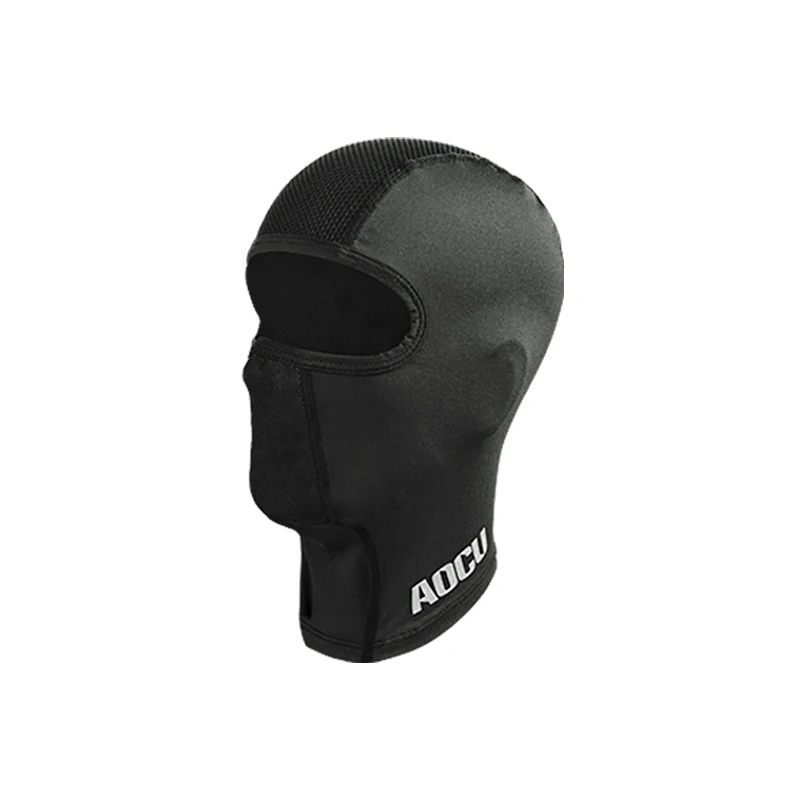
The value of a motorcycle mask goes far beyond comfort. It is a purposeful barrier between the rider and an environment that changes without warning — from clear skies to dust-laden winds, from mild breezes to stinging grit at highway speeds. Understanding why this gear matters requires looking at the specific threats riders face, the physical mechanisms that protect against them, and the long-term benefits of consistent use. This article explains, in detail, why a motorcycle mask is essential for dust and wind protection, and what makes it such a critical item in any rider's kit.
The Real Threats Riders Face on the Road
Airborne Dust and Its Impact on the Respiratory System
Dust is not merely an annoyance on the road — it is a concentrated mix of fine particulate matter, soil, pollutants, and sometimes industrial debris. When a rider moves at speed, these particles enter the nasal passages and mouth with considerable force. Without protection, prolonged exposure can irritate the mucous membranes, trigger allergic reactions, and in some regions, expose riders to genuinely toxic particulate loads.
Construction zones, agricultural regions, dry desert roads, and even busy urban intersections are all environments where airborne dust reaches high concentrations. A well-fitted motorcycle mask creates a physical filter layer that significantly reduces the volume of these particles entering the respiratory tract. This is not a minor benefit — over time, the difference in respiratory health between riders who use a mask and those who do not can be substantial.
The design of a quality motorcycle mask accounts for breathability alongside filtration. Riders need to breathe easily under physical exertion, particularly when navigating heavy traffic or off-road terrain. Modern mask materials achieve this balance through engineered fabric structures that allow airflow while blocking particle penetration, making the motorcycle mask both protective and practical for extended use.
Wind Resistance and the Physical Demands of High-Speed Riding
Wind exposure at motorcycle speeds creates a continuous physical stress on the face that few non-riders appreciate. At 60 mph, the force of wind on unprotected skin causes rapid moisture loss, skin chapping, and in cold conditions, dangerous wind chill effects. The eyes, cheeks, and lips are particularly vulnerable, and even short rides in strong crosswinds can leave skin visibly raw and irritated.
A motorcycle mask addresses wind resistance by creating a fitted layer that hugs the contours of the face, reducing direct wind contact on exposed skin. This thermal and physical barrier is especially important for riders in open-face helmets or those using visors that do not provide full chin and cheek coverage. The mask effectively extends the protective zone of the helmet downward, covering the lower face and neck area that standard helmets often leave exposed.
In cold weather riding, the wind protection offered by a motorcycle mask takes on added importance. Cold wind accelerating heat loss from the face can impair concentration and reaction time — factors that directly influence rider safety. By retaining warmth and blocking windchill, the motorcycle mask contributes to alertness and sustained performance on the road.
How a Motorcycle Mask Delivers Functional Protection
Material Design and the Science of Breathable Filtration
The effectiveness of a motorcycle mask depends heavily on its material composition. Polyester-based fabrics are widely used because they combine durability, moisture-wicking capability, and resistance to deformation under wind pressure. A mask made from high-quality polyester maintains its shape against the face at speed, avoiding the gap formation that undermines filtration performance in cheaper options.
Breathability is a key engineering concern in motorcycle mask design. Fabrics must allow sufficient airflow so that exhaled moisture does not accumulate and cause discomfort or fogging of eye protection. At the same time, the weave density must be tight enough to block fine dust particles. The best motorcycle mask designs achieve this through layered construction — typically combining an outer wind-resistant layer with an inner moisture-managing layer that keeps the face dry and comfortable.
Fast-drying properties are another functional advantage built into contemporary motorcycle mask materials. When riders sweat during warm weather or encounter rain, a mask that retains moisture becomes uncomfortable and can lose its structural integrity. Fast-drying fabrics address this by rapidly transporting moisture away from the skin surface and releasing it into the external airflow, maintaining both comfort and filtration effectiveness regardless of conditions.
Full-Face Coverage and Its Protective Advantages
A full-face or balaclava-style motorcycle mask extends coverage from the top of the head through the neck and chin, providing comprehensive protection that partial masks cannot match. This configuration is particularly valuable in cold or dusty environments where wind and particles can enter from multiple angles — not just frontally, but also from the sides when crosswinds are present.
The balaclava format of a motorcycle mask also reduces the risk of the mask slipping during riding. Because it covers a larger surface area and anchors above the helmet line or beneath a helmet, it stays securely in position even at high speeds or in strong gusting winds. This stability ensures continuous protection rather than periodic coverage that requires adjustment while riding.
For riders who use open-face helmets, the full-face motorcycle mask effectively transforms their protection profile, giving them coverage approaching that of a full helmet without sacrificing the visibility and comfort advantages they prefer. This makes the motorcycle mask not just an accessory, but a functional safety extension of the helmet system itself.
The Practical Value of a Motorcycle Mask Across Riding Conditions
Performance in Dusty and Off-Road Environments
Off-road riding and adventure touring place riders in the most demanding dust exposure scenarios. Unpaved trails, gravel roads, and dry riverbeds generate thick clouds of particulate matter that can reduce visibility and create a continuous inhalation hazard. In group rides, the situation worsens as each rider encounters the dust wake of those ahead. A motorcycle mask becomes non-negotiable in these conditions.
The physical comfort provided by a motorcycle mask in off-road environments also supports better focus and endurance. When riders are not constantly blinking away grit, coughing through dust, or squinting against wind, they can maintain fuller attention on the technical demands of the terrain. Protection translates directly into performance, which is why experienced off-road riders treat the motorcycle mask as a standard part of their gear list alongside helmets and gloves.
Even on graded dirt roads or rural highways where dust is intermittent rather than constant, carrying and using a motorcycle mask allows riders to respond quickly when conditions change. A mask that packs easily and deploys in seconds provides flexible protection without adding significant weight or bulk to the rider's kit.
Urban Commuting and Pollution Control
Urban motorcycle commuters face a different but equally serious set of airborne threats. Vehicle exhaust, brake dust, and fine urban particulate matter accumulate at street level, precisely where motorcycle riders breathe. Studies in high-density urban environments consistently show elevated particulate concentrations at road level compared to pedestrian or elevated positions, meaning commuters on motorcycles absorb more pollutants per kilometer than almost any other road user.
A motorcycle mask used for urban commuting provides meaningful filtration against these pollutants, reducing direct inhalation of exhaust particles and fine road dust. While no mask eliminates all urban air quality risks, consistent use significantly reduces the daily particulate burden absorbed by the rider's respiratory system. For daily commuters who spend one or more hours on the road each day, this adds up to a substantial health benefit over weeks and months.
Beyond filtration, the motorcycle mask offers urban commuters wind protection at lower speeds through stop-and-go traffic, where direct wind exposure, though less intense than highway speeds, is still constant. The mask also reduces the drying effect of wind on the face during cold-weather commutes, keeping riders more comfortable and focused through dense traffic conditions.
Choosing the Right Motorcycle Mask for Dust and Wind Protection
Key Features That Define an Effective Motorcycle Mask
Not all motorcycle masks offer the same level of protection. The effectiveness of a given motorcycle mask for dust and wind protection depends on several specific characteristics that riders should evaluate before purchase. Fit is arguably the most critical — a mask that does not conform closely to the contours of the face creates gaps through which particles and wind enter unchecked. Look for designs that offer stretch and elasticity to accommodate different face shapes while maintaining a consistent seal.
Material quality determines both the filtration capability and the durability of a motorcycle mask. Polyester fabrics with a high thread count provide better particle filtration and longer service life than loose-weave or thin single-layer constructions. A motorcycle mask intended for dust-heavy environments should have at least a two-layer structure, with each layer contributing a distinct function such as particle blocking, moisture management, or thermal insulation.
Ease of wearing and adjustment is the third major consideration. A motorcycle mask that requires complex fitting or frequently needs repositioning will be avoided in practice, negating its protective value. Designs that combine simplicity of use with comprehensive coverage are the most likely to be worn consistently, which is ultimately what determines real-world protection performance.
Compatibility with Helmets and Other Riding Gear
A motorcycle mask must integrate cleanly with the rider's existing helmet setup. For full-face helmet users, the mask typically functions as a base layer worn beneath the helmet, adding warmth and dust protection that the helmet's interior lining alone cannot provide. In this configuration, the motorcycle mask should be thin enough to fit comfortably without creating pressure points or compromising helmet fit.
For open-face and modular helmet users, the motorcycle mask extends downward to cover the chin, jaw, and neck — areas left exposed by these helmet styles. Balaclava-style masks are particularly effective here because they tuck neatly under the helmet's lower edge and seal against wind intrusion. The fabric should be smooth enough not to create friction against the helmet interior during long rides.
Goggles, sunglasses, and visors all interact with the motorcycle mask at the nose bridge and cheek areas. A well-designed motorcycle mask accounts for these intersections, using contouring or nose bridge panels that reduce gaps and prevent wind from channeling upward into eye protection. Riders who use goggles for dust protection will find that a complementary motorcycle mask dramatically improves the overall effectiveness of their eye and face protection system.
FAQ
Can a motorcycle mask replace a full-face helmet for dust and wind protection?
No, a motorcycle mask is not a replacement for a full-face helmet. Helmets provide impact protection that a mask cannot replicate. However, a motorcycle mask significantly enhances the dust and wind protection of open-face or modular helmets by covering areas the helmet leaves exposed. Used together, a mask and helmet provide comprehensive coverage that neither offers alone.
How often should I wash my motorcycle mask to maintain its effectiveness?
Regular washing is important to maintain filtration performance and hygiene. After rides in dusty conditions, washing the motorcycle mask every one to two uses is advisable. For daily urban commuting, washing every few days is typically sufficient. Use gentle detergents and air-dry to preserve the fabric structure and elasticity that make the motorcycle mask effective.
Is a motorcycle mask suitable for use in hot weather?
Yes, when made from breathable and fast-drying polyester materials, a motorcycle mask remains comfortable in warm conditions. The key is selecting a mask with proper moisture-wicking capability that moves sweat away from the skin. Thin, single-layer motorcycle mask designs work particularly well in hot climates, offering dust and wind protection without causing excessive heat buildup.
What is the difference between a motorcycle mask and a standard dust mask?
A standard dust mask is designed for stationary or slow-movement environments and typically lacks the aerodynamic fit needed to stay in place at motorcycle speeds. A motorcycle mask is engineered specifically for the forces and airflow conditions of riding — it features a closer fit, stretch fabrics that resist wind displacement, and designs compatible with helmets and goggles. These purpose-built characteristics make the motorcycle mask far more effective for on-road use than a generic dust mask.