
 EN
EN

What Should You Consider Before Buying a Motorcycle Phone Holder Anti Vibration?
Purchasing a motorcycle phone holder anti vibration requires careful evaluation of multiple factors that directly impact your safety, device protection, and riding experience. Modern motorcycles generate significant vibrations that can damage smartphone cameras, processors, and internal components, making specialized anti-vibration technology essential rather than optional. Understanding the key considerations before making this investment ensures you select a solution that protects your valuable device while maintaining reliable navigation access during rides.
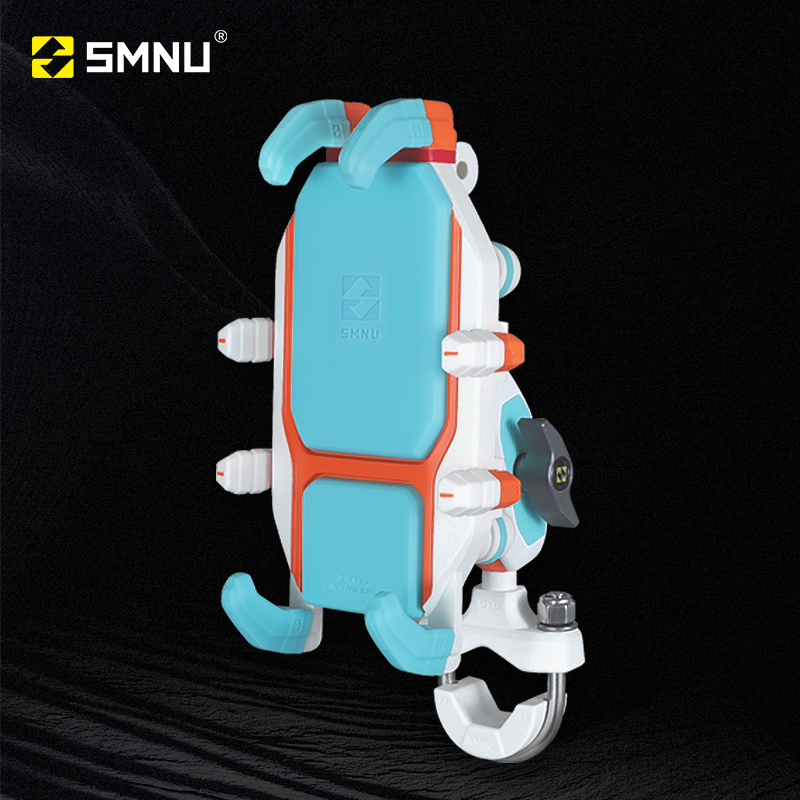
The decision to purchase a motorcycle phone holder anti vibration should be based on comprehensive analysis of your specific riding conditions, smartphone model, mounting preferences, and budget constraints. Each motorcycle generates different vibration patterns depending on engine type, displacement, and riding style, while smartphones vary significantly in their vulnerability to vibration damage. Professional riders and daily commuters alike have discovered that investing in quality anti-vibration technology prevents costly device repairs while enabling safe navigation access during extended journeys.
Vibration Damping Technology and Protection Levels
Understanding Vibration Frequency Impact on Smartphones
Motorcycle engines produce vibrations typically ranging from 20Hz to 200Hz, with most smartphones experiencing damage when exposed to frequencies between 100Hz and 150Hz for extended periods. A quality motorcycle phone holder anti vibration system must effectively isolate your device from these harmful frequencies while maintaining secure mounting stability. Different damping technologies including silicone isolation, spring suspension, and hydraulic dampening offer varying levels of protection against specific frequency ranges that could damage camera stabilization systems and internal components.
Modern smartphone cameras contain delicate optical image stabilization mechanisms that can malfunction or break completely when subjected to continuous motorcycle vibrations without proper protection. The motorcycle phone holder anti vibration system acts as a critical barrier between these sensitive components and the constant mechanical stress generated during riding. Professional testing has demonstrated that unprotected phones can experience camera failure within hours of motorcycle use, making anti-vibration technology essential for preserving device functionality.
Material Quality and Durability Factors
Premium motorcycle phone holder anti vibration systems utilize high-grade materials designed to withstand extreme weather conditions, temperature fluctuations, and constant mechanical stress during extended riding sessions. The damping materials must maintain their shock-absorbing properties across temperature ranges from freezing winter conditions to scorching summer heat, ensuring consistent protection regardless of environmental challenges. Quality rubber compounds, medical-grade silicone, and engineered polymers provide superior longevity compared to basic plastic alternatives that deteriorate rapidly under outdoor exposure.
Construction quality directly impacts the lifespan and effectiveness of any motorcycle phone holder anti vibration system, with reinforced mounting points and corrosion-resistant hardware being essential for long-term reliability. Premium models feature sealed bearings, stainless steel fasteners, and UV-resistant housing materials that maintain structural integrity after thousands of miles of exposure to road conditions. Investing in superior materials prevents premature failure that could result in device damage or dangerous mounting system collapse during critical navigation moments.
Mounting Location and Compatibility Assessment
Handlebar vs Windscreen Mounting Considerations
Handlebar-mounted motorcycle phone holder anti vibration systems provide direct access and intuitive control but expose devices to higher vibration levels transmitted through the steering mechanism and front suspension components. This mounting location offers excellent visibility and touch access during stops but requires more robust anti-vibration technology to counteract the direct mechanical connection to engine and road vibrations. Riders who prioritize quick glance navigation and frequent route adjustments often prefer handlebar mounting despite the increased vibration challenges.
Windscreen or fairing-mounted positions typically experience reduced vibration transmission compared to direct handlebar connection, allowing a motorcycle phone holder anti vibration system to provide enhanced protection with less demanding damping requirements. These locations offer improved aerodynamic protection and reduce wind stress on the device while maintaining adequate visibility for navigation purposes. However, reaching the phone for interaction becomes more challenging, making this option ideal for riders who primarily use voice commands or pre-planned routes requiring minimal mid-ride adjustments.
Device Size and Weight Compatibility
Different smartphone models present varying challenges for motorcycle phone holder anti vibration systems, with larger devices creating additional leverage forces that can compromise mounting stability and increase vibration transmission to sensitive components. Modern flagship phones with multiple cameras, larger batteries, and premium build materials often exceed the weight limits of basic mounting systems, requiring heavy-duty alternatives specifically designed for substantial devices. The size and weight of your specific smartphone directly influence which anti-vibration technologies will provide adequate protection and secure mounting.
Case compatibility represents another crucial factor when selecting a motorcycle phone holder anti vibration system, as protective cases add thickness and weight that can interfere with secure mounting mechanisms. Quality systems accommodate various case styles including rugged protective cases, wallet cases, and battery extension cases without compromising the anti-vibration effectiveness or mounting security. Ensuring your preferred case configuration works seamlessly with the chosen mounting system prevents frustrating compatibility issues and maintains consistent device protection.
Weather Resistance and Environmental Protection
Waterproofing and Moisture Management
Effective moisture protection goes beyond basic waterproofing to include condensation management, humidity control, and rapid drying capabilities that preserve smartphone functionality during and after exposure to rain, snow, or high-humidity conditions. A quality motorcycle phone holder anti vibration system incorporates sealed mounting mechanisms, drainage channels, and breathable materials that prevent moisture accumulation while maintaining vibration damping effectiveness. Poor moisture management can lead to internal corrosion, screen fogging, and electrical failures that render expensive smartphones unusable.
Weather sealing must not compromise the anti-vibration performance, requiring sophisticated engineering that balances protection against environmental elements while preserving the flexibility needed for effective shock absorption. Premium motorcycle phone holder anti vibration systems utilize advanced gasket designs, hydrophobic coatings, and strategic ventilation that maintain dry internal conditions without sacrificing vibration isolation capabilities. This dual protection approach ensures your device remains functional and protected regardless of weather conditions encountered during rides.
UV Protection and Temperature Management
Prolonged sun exposure can cause smartphone screens to overheat, batteries to degrade, and plastic components to become brittle, making UV protection an essential consideration when evaluating motorcycle phone holder anti vibration options. Quality mounting systems incorporate UV-resistant materials, heat-dissipating designs, and optional sun shields that prevent thermal damage while maintaining optimal vibration damping performance. Overheating protection becomes particularly important during summer riding when direct sunlight and engine heat combine to create challenging thermal conditions.
Temperature cycling between extreme cold and heat can affect both smartphone components and the damping materials within a motorcycle phone holder anti vibration system, requiring materials and designs that maintain effectiveness across wide temperature ranges. Cold weather can stiffen rubber compounds and reduce shock absorption, while excessive heat can cause materials to become too soft and lose their damping properties. Professional-grade systems utilize temperature-stable materials and thermal management features that ensure consistent protection regardless of climate conditions.
Installation Requirements and Maintenance Considerations
Mounting System Complexity and Tool Requirements
Installation complexity varies significantly among motorcycle phone holder anti vibration systems, with some requiring professional installation and specialized tools while others offer user-friendly mounting solutions that can be installed with basic hand tools. Complex systems often provide superior vibration isolation and security but may require permanent modifications to your motorcycle or extensive disassembly for proper installation. Understanding the installation requirements before purchase prevents unexpected complications and ensures you have the necessary tools and skills for proper mounting.
Reversible installation methods allow riders to remove the motorcycle phone holder anti vibration system without permanent modifications to their motorcycles, preserving warranty coverage and resale value while providing flexibility for different riding scenarios. Quick-release mechanisms enable easy removal for security purposes or when switching between multiple bikes, though these convenient features must not compromise the mounting security or vibration damping effectiveness. Professional installation may be worthwhile for complex systems that require precise positioning and specialized mounting techniques.
Long-term Maintenance and Component Replacement
Regular maintenance requirements directly impact the total cost of ownership and long-term effectiveness of any motorcycle phone holder anti vibration system, with some designs requiring periodic lubrication, adjustment, or component replacement to maintain optimal performance. Quality systems minimize maintenance requirements through durable construction and self-lubricating materials, but understanding the recommended service intervals prevents premature wear and maintains vibration protection effectiveness. Neglecting routine maintenance can result in gradual performance degradation that compromises device protection.
Component availability and replacement costs should influence your purchasing decision, as specialized damping elements, mounting hardware, and protective covers may require replacement after extended use or accidental damage. Systems from established manufacturers typically offer better parts availability and reasonable replacement costs compared to generic alternatives that may become obsolete quickly. Investing in a motorcycle phone holder anti vibration system with reliable parts support ensures long-term serviceability and protects your initial investment.
FAQ
How much vibration protection do I really need for my smartphone?
The level of vibration protection required depends on your motorcycle type, riding style, and smartphone model. Sport bikes and larger displacement motorcycles typically generate more harmful vibrations than smaller commuter bikes. Modern smartphones with optical image stabilization are particularly vulnerable to vibration damage and require robust anti-vibration protection for any extended motorcycle use. Even short rides can cause cumulative damage without proper protection.
Can I use a regular phone mount instead of an anti-vibration system?
Regular phone mounts provide no protection against motorcycle vibrations and can actually transmit harmful frequencies directly to your device, potentially causing camera malfunction, internal component damage, or complete device failure. The cost of smartphone repairs or replacement typically far exceeds the investment in a quality motorcycle phone holder anti vibration system. Regular mounts are designed for cars and cannot handle the unique vibration challenges of motorcycle use.
Will anti-vibration mounting affect my phone's GPS or wireless connectivity?
Properly designed motorcycle phone holder anti vibration systems do not interfere with GPS signals, cellular connectivity, or wireless functions when constructed with appropriate materials and engineering. Quality systems avoid using metal components that could block signals and are specifically tested for electromagnetic compatibility. However, cheap alternatives may use materials or designs that could potentially affect connectivity, making it important to choose systems from reputable manufacturers.
How long do motorcycle phone holder anti vibration systems typically last?
Quality motorcycle phone holder anti vibration systems typically last 3-5 years with regular use, though this depends on riding frequency, environmental conditions, and maintenance practices. Premium systems with replaceable damping components can last longer through periodic maintenance and component replacement. Signs that replacement may be needed include visible wear of damping materials, loose mounting points, or reduced vibration isolation effectiveness during rides.