
 EN
EN

What Makes a Motorcycle Mobile Phone Holder Reliable for Riders?
Every rider who has tried to navigate unfamiliar roads or track a live route knows how critical it is to have a dependable motorcycle mobile phone holder within clear line of sight. A poorly designed mount can turn a simple glance at the screen into a dangerous distraction, or worse, send an expensive device flying off the handlebar at highway speed. Reliability in this context is not just a convenience feature — it is a genuine safety requirement that every rider should evaluate carefully before making a purchase.
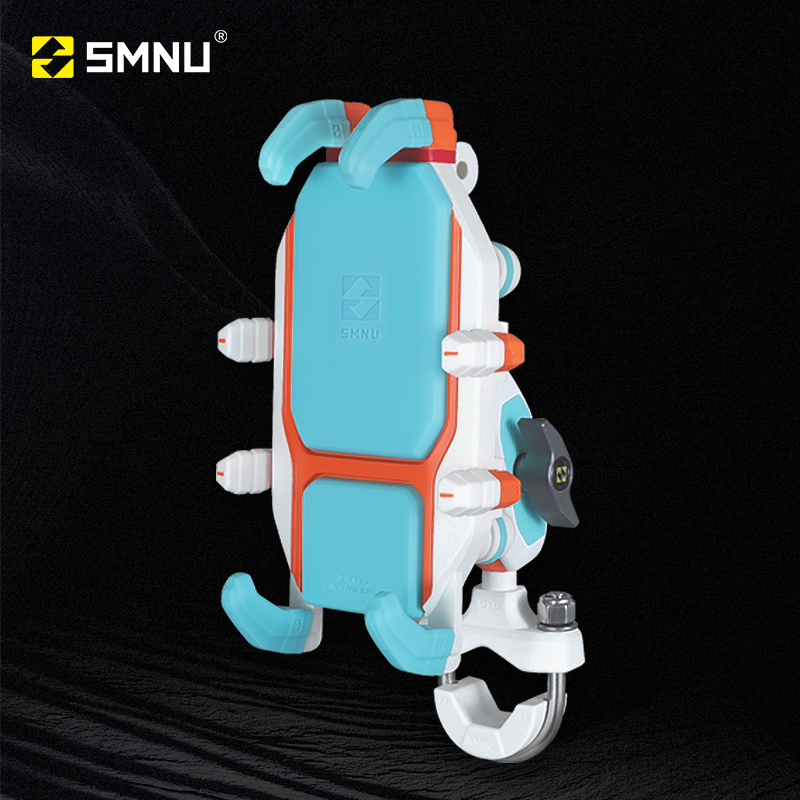
Understanding what separates a reliable motorcycle mobile phone holder from a substandard one requires looking beyond surface-level aesthetics. The factors that matter most — structural integrity, mounting security, vibration resistance, weather tolerance, and ergonomic positioning — all work together to determine whether a holder performs consistently across real riding conditions. This article breaks down each of those reliability factors so riders can make informed, confident decisions.
The Foundation of Reliability: Build Quality and Materials
Why Material Choice Determines Long-Term Performance
The material used in a motorcycle mobile phone holder directly affects how well it holds up under the physical stresses of daily riding. Holders made from high-grade ABS plastic or reinforced polycarbonate composites offer a strong balance of rigidity and lightweight construction. These materials resist cracking under impact and do not become brittle after prolonged exposure to UV radiation, which is a common failure point for cheaper alternatives.
Metal components, particularly those made from aluminum alloy, add structural strength to the clamping and mounting mechanisms. When the frame of a motorcycle mobile phone holder is reinforced with metal at key stress points, it maintains its grip geometry even after thousands of vibration cycles. Riders who commute daily or take long-distance tours will notice the difference between a holder that stays rigid and one that gradually loosens over time.
Rubber padding and silicone inserts also play a critical role. These softer materials protect the phone's body from scratches and act as vibration dampeners, absorbing micro-shocks before they reach the device. A well-engineered motorcycle mobile phone holder integrates these materials at every contact point between the holder and the phone.
Structural Integrity Under Continuous Vibration
Motorcycles generate significant vibration through the engine, drivetrain, and road surface. A motorcycle mobile phone holder that cannot absorb or isolate this vibration will transmit it directly to the phone, potentially damaging internal components such as the optical image stabilization system in modern smartphone cameras. More immediately, vibration can cause a poorly designed holder to gradually loosen its grip, increasing the risk of the phone detaching mid-ride.
Reliable holders address this through multi-point clamping systems that distribute pressure evenly across the phone's edges rather than relying on a single tension point. Spring-loaded arms that maintain consistent clamping force regardless of road conditions are a strong indicator of a well-engineered motorcycle mobile phone holder. The goal is a mount that holds the phone firmly without requiring the rider to re-tighten it after every ride.
Mounting Security and Handlebar Compatibility
The Role of the Mounting Mechanism
A motorcycle mobile phone holder is only as reliable as its connection to the bike itself. The mounting mechanism — whether it clamps to the handlebar, mirror stem, or fork stem — must create a secure, wobble-free attachment that does not shift under acceleration, braking, or cornering forces. Ball-joint mounts with locking mechanisms are particularly effective because they allow the rider to set the optimal viewing angle and then lock it firmly in place.
Handlebar diameter compatibility is a practical concern that is often overlooked. Most motorcycle handlebars fall within a standard range, but variations exist across different bike types and aftermarket bars. A quality motorcycle mobile phone holder will include adapter rings or adjustable clamp jaws that accommodate this range without compromising the tightness of the fit. A loose handlebar clamp is one of the most common causes of holder failure in real-world use.
The torque applied to mounting bolts also matters. Over-tightening can strip threads or crack plastic components, while under-tightening leaves the holder susceptible to rotation. Holders that include torque-appropriate hardware and clear installation guidance help riders achieve the correct tension without guesswork.
Stability Across Different Riding Conditions
A motorcycle mobile phone holder that performs well on smooth urban roads may behave very differently on rough country roads or gravel tracks. The mounting system must maintain its position under the lateral and vertical forces generated by uneven surfaces. Riders who frequently encounter varied terrain should prioritize holders with dual-axis locking mechanisms that prevent both rotation and tilt independently.
High-speed stability is another dimension of reliability. At highway speeds, aerodynamic forces act on the phone and holder, creating a forward-tilting moment that can gradually shift the viewing angle. A reliable motorcycle mobile phone holder counteracts this through a stiff ball joint or a dedicated angle-lock feature that holds the set position regardless of wind pressure.
Weather Resistance and Environmental Durability
Protecting the Holder in Rain and Extreme Temperatures
Outdoor riding exposes every component on the motorcycle to weather extremes. A motorcycle mobile phone holder must be able to withstand rain, direct sunlight, temperature swings, and road spray without degrading in performance or appearance. Holders with sealed or weather-resistant construction prevent water ingress into the clamping mechanism, which can cause corrosion in metal parts and swelling in plastic components.
UV-stabilized materials are essential for any motorcycle mobile phone holder that will see regular outdoor use. Prolonged sun exposure causes untreated plastics to fade, become brittle, and eventually crack. A holder that looks and functions like new after a full riding season is one that has been engineered with material longevity in mind, not just initial appearance.
Temperature tolerance is equally important. In hot climates, a motorcycle mobile phone holder must not soften or deform when left in direct sunlight. In cold conditions, the clamping springs and plastic components must retain their mechanical properties without becoming stiff or fragile. Riders in regions with significant seasonal variation should specifically check the operating temperature range of any holder they consider.
Corrosion Resistance in Metal Components
Metal parts in a motorcycle mobile phone holder — including bolts, clamp jaws, and ball joints — are vulnerable to corrosion if not properly treated. Stainless steel hardware and anodized aluminum components offer strong corrosion resistance without adding significant weight. Zinc-plated or powder-coated steel parts provide a more economical alternative that still performs well in most riding environments.
Riders in coastal areas or regions with heavy road salting during winter should pay particular attention to the corrosion resistance of their motorcycle mobile phone holder. Salt accelerates oxidation significantly, and a holder with untreated metal components can seize or fail within a single season under these conditions. Inspecting and lightly lubricating the adjustment mechanisms periodically extends the service life of any holder.
Ergonomics and Usability as Reliability Factors
Viewing Angle and Glance Efficiency
A motorcycle mobile phone holder that positions the phone at the wrong angle forces the rider to take their eyes off the road for longer than necessary. Ergonomic reliability means the holder can be adjusted to place the screen at a natural viewing angle relative to the rider's seated position, minimizing head movement and reducing cognitive load during navigation. This is not a comfort luxury — it is a safety-critical design requirement.
The ideal position for a motorcycle mobile phone holder is typically at the top of the handlebar cluster, centered or slightly offset toward the dominant hand. This placement keeps the screen within the rider's peripheral vision zone and allows for quick glances without requiring significant head rotation. Holders that offer both horizontal and vertical phone orientation add flexibility for riders who use different navigation apps with different display preferences.
One-handed phone insertion and removal is another usability factor that contributes to overall reliability. A holder that requires two hands or significant force to load and unload the phone creates a temptation to handle the device while riding. Spring-loaded or magnetic-assist clamping systems that allow quick, secure phone placement with one hand are a meaningful ergonomic advantage in a motorcycle mobile phone holder.
Compatibility with Phone Cases and Larger Devices
Modern smartphones vary considerably in size, and many riders use protective cases that add further bulk. A reliable motorcycle mobile phone holder must accommodate this range without requiring the rider to remove their case every time they mount the phone. Holders with wide-range adjustable arms — typically spanning from around 55mm to 100mm or more — cover the majority of current phone sizes with and without cases.
The depth of the clamping arms also matters. Shallow clamps may grip the phone adequately on a flat surface but lose their hold when the phone is in a thick rugged case. A motorcycle mobile phone holder with deep, contoured clamp arms maintains a secure grip across a wider range of phone and case combinations, making it a more universally reliable choice for riders who change devices or cases periodically.
FAQ
What is the most important factor in a reliable motorcycle mobile phone holder?
The most critical factor is the combination of a secure mounting mechanism and a strong clamping system. A motorcycle mobile phone holder must stay firmly attached to the handlebar while also holding the phone without slipping under vibration, acceleration, or braking. Neither element alone is sufficient — both must work together consistently across all riding conditions.
Can a motorcycle mobile phone holder damage my phone over time?
A poorly designed motorcycle mobile phone holder can transmit excessive vibration to the phone, which may damage the optical image stabilization components in the camera over extended periods. Holders with vibration-dampening rubber or silicone inserts significantly reduce this risk. Choosing a holder with proper cushioning at all contact points protects both the phone's body and its internal components.
How do I know if a motorcycle mobile phone holder will fit my handlebar?
Check the handlebar diameter specification of your motorcycle and compare it to the clamp range listed for the holder. Most quality motorcycle mobile phone holders include adapter rings that extend compatibility across common handlebar sizes, typically ranging from 22mm to 32mm. If your bike has non-standard bars, look for holders with fully adjustable clamp jaws rather than fixed-size mounts.
Is a motorcycle mobile phone holder suitable for all weather conditions?
A well-built motorcycle mobile phone holder with UV-stabilized materials, sealed metal components, and weather-resistant construction can perform reliably in rain, heat, and cold. However, the holder protects itself, not the phone. Riders who frequently ride in wet conditions should pair a reliable holder with a waterproof phone case or a holder that includes an integrated weather cover to protect the device itself.